Onshore/Offshore Facilities

Equinor and its partners’ investment in the Troll West Increased Gas Recovery North (TWIN) project aims to unlock around 11 Bcm of additional natural gas from the Troll field, with first production targeted as early as 2028.

The US supermajor will use Permian Basin natural gas to support the hyperscaler’s AI business.

The Coral Norte FLNG is to be the mirror image of the Coral Sul unit, which shipped its first cargo in 2022 after it was put into service in Area 4 offshore Mozambique.
-
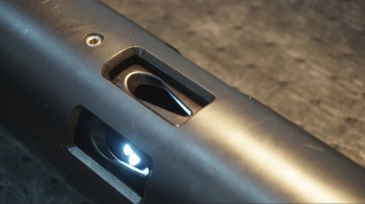
 SponsoredTAQA's PulseEight Secure and SwellStack solutions avoid costly workovers and deferred production by riglessly retrofitting an alternative to failed subsurface safety valves.
 -
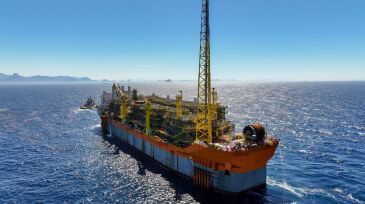
A government-imposed limit on gas reinjection aimed at fueling domestic growth risks cooling future investor interest in Brazil’s offshore.
-
This update highlights efforts to electrify oil and gas assets and deliver clean energy to remote, underserved communities. But the big question remains: Can we really achieve net zero emissions by 2050?
-
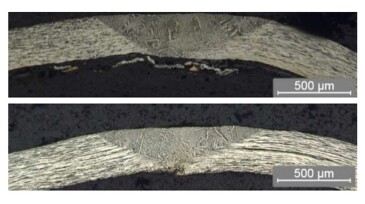
This work presents the results of several failure analyses of gas lift valves retrieved from subsea wells that were unable to prevent backflow from tubing to annulus
-
This paper describes laboratory tests simulating varying sour-well and extended galvanic corrosion conditions to determine the adequacy of selected armor metallurgies in downhole corrosive environments.
-
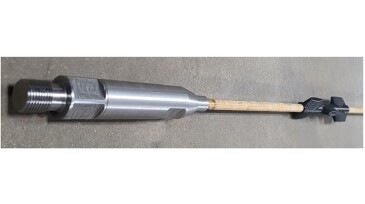
This paper explores the development of fiber-reinforced thermoplastic sucker rods as a promising alternative for overcoming the limitations of steel sucker rods and thermoset fiberglass sucker rods.
-
Straddling Europe and Asia, the Black Sea is emerging as a frontier for deepwater gas exploration and production as Romania and Turkey drive projects complicated by subsea hazards found nowhere else on earth.
-
The Eagle Ford deal comes as the US LNG market's growth remains stunted by policy.
-
A new plan to secure electricity for the powerhouse of Texas oil and gas will cost billions of dollars to achieve.
-
The facility for open-source carbon capture, transport, and storage has been completed.