Onshore/Offshore Facilities

This paper presents a flexible, highly cost- and energy-efficient method of gas separation and CO₂ capture from many different gas mixtures with a large range of CO₂ concentrations.

This work introduces a novel predictive methodology combining historical metocean data with real-time riser analysis for shallow water dynamically positioned rig operations.

This paper introduces channel stacking, a novel and efficient methodology designed to significantly improve optical gas imaging-based leak detection.
-
 A total of 15 companies, including seven small businesses, were recognized this year for their breakthrough hardware and software technologies.
 -
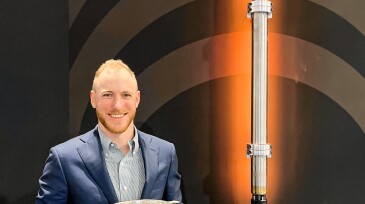
A high-resolution acoustic downhole evaluation system nabs top award for 2023.
-
The contract was awarded by Bechtel to Baker Hughes for project's key liquefaction systems.
-
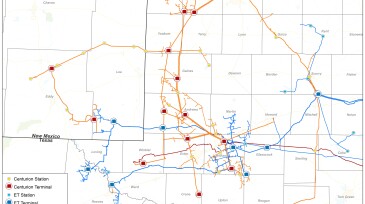
The acquisition will enable Energy Transfer to send more barrels of Permian crude to oil hub at Cushing, Oklahoma.
-
With mobilization in China normalizing, new Wood Mackenzie analysis expects the country to account for almost 40% of global growth in oil demand this year.
-
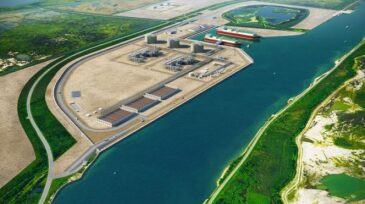
Port Arthur LNG is expected to handle 13 mtpa of liquefied natural gas, with first LNG cargoes expected in 2027.
-
The collaborative virtual asset and data management suite is designed to meet the needs of the offshore renewable energy market and oil and gas subsea asset owners.
-
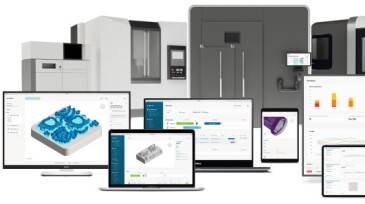
The two companies have entered a commercial agreement in which Baker Hughes will use Oqton’s software to boost its 3D printing capabilities.
-
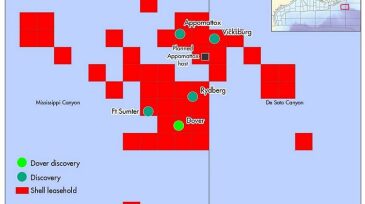
Production from the Dover field is expected to start in late 2024 or early 2025.
-
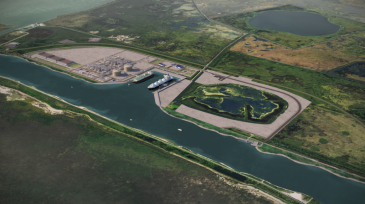
Plaquemines Phase 2 is the first project to take FID in 2023 and is expected to be the next new LNG capacity in North America.