Onshore/Offshore Facilities

The 2026 Upstream Scale Guidelines establish a common workflow for field measurements, scale modeling, and risk assessment to support more consistent operational decisions.

Shell has reached FID on LNG Canada Phase 2, a major expansion that will double the Kitimat facility’s LNG export capacity to 28 mtpa and strengthen long-term supply to growing Asian markets.

The long-term outlook analysis says a potential shift toward new construction could push 2026 production 3% above 2025 levels.
-
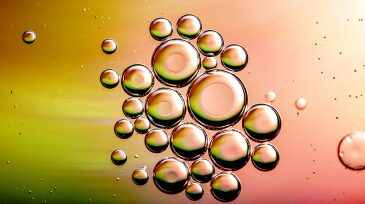
 By understanding the factors involved in oil droplet coalescence, the Savvy Separator engineer can assess the operational/chemical factors in the treatment system that are affecting droplet growth and make adjustments to enhance coalescence rates.
 -
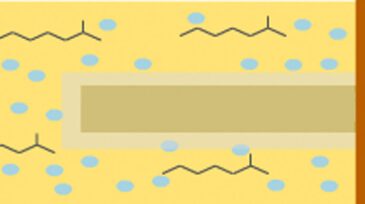
A test method is being developed to screen paraffin chemistries in the presence of brine, closer resembling dynamic field conditions.
-
We have seen in recent years many technological advancements in tubular-manufacturing technology. Tubulars also have become part of the data-transmission network and slowly will converge with the data-handling and data-transmission systems.
-
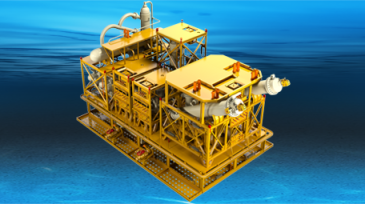
Operators are increasingly using existing offshore infrastructure for asset life extension, and developing new marginal stranded fields rather than develop new large greenfields. Subsea processing is an enabling technology in this goal.
-
A BP flow assurance engineer discusses the shift in hydrate management strategy from complete avoidance to risk mitigation for an offshore dry tree facility.
-
A panel of UK government officials and industry executives discuss opportunities to increase efficiency in North Sea decommissioning programs.
-
Southwest Research Institute is adding a new facility to its capabilities in testing and evaluating subsea equipment and systems.
-
One of the oldest deepwater platforms in the Gulf of Mexico has become a profit-leader for the oil major during this downturn and is now a model for the company’s other floating assets.
-
Magnetic nanoparticles (MNPs) is a promising way to remove dispersed oil from produced water. In this study, the authors investigated the optimal operating conditions for MNPs and the mechanisms of MNP/oil attachments and magnetic separation.
-
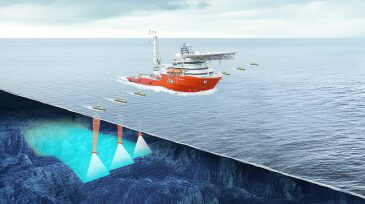
AUVs aren’t limited to inspections and pipeline surveys. Deployment of a flotilla of AUVs to work on a project, and the communication among them, may someday lead to a subsea Internet of Things.