Onshore/Offshore Facilities
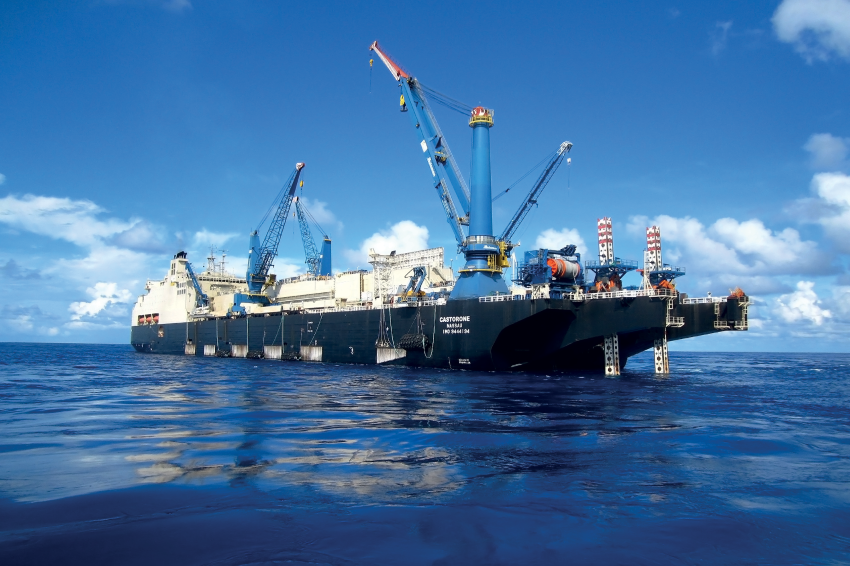
The $5.1 billion ultradeepwater project is Angola’s first integrated cross-block development and sits at the top of Azule’s Southern African portfolio.

Equinor and its partners’ investment in the Troll West Increased Gas Recovery North (TWIN) project aims to unlock around 11 Bcm of additional natural gas from the Troll field, with first production targeted as early as 2028.

The US supermajor will use Permian Basin natural gas to support the hyperscaler’s AI business.
-
 Shell CEO Wael Sawan said Nigeria’s improving investment climate is boosting its appeal for long-term oil and gas investment.
 -
An earlier deal to double Israel’s gas exports to Egypt led to approval of Leviathan’s Phase 1B expansion by guaranteeing long-term cash flow to finance the project.
-
Marking a major milestone as the Gulf of Mexico’s second 20,000-psi deepwater development, the project underscores how advanced high-pressure technology, management of flow challenges, and the floating production system’s role as a regional hub are helping open the door to more Inboard Wilcox development.
-
The company's CEO says Europe’s third-largest oil field is entering a natural decline phase.
-
Despite a 2.8% drop in liquefied natural gas exports in 2025 because of lost market share in China, Australia anticipates a 2026 rebound as new North West Shelf capacity comes online. Meanwhile, East Coast operators brace for a tsunami of wells entering the decommissioning pipeline and potential energy shortfalls necessitating LNG imports.
-
Among the awards are contracts for four currently idle deepwater rigs.
-
The deal targets increased investment and production from one of the country’s largest onshore developments.
-
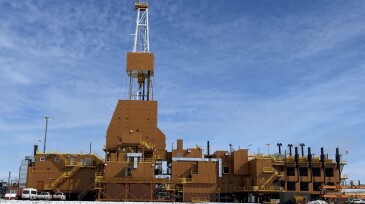
The Doyon 26 drilling rig, reportedly the largest mobile land rig in North America, fell on its side while being transported in Alaska’s North Slope, sending eight people to area clinics for treatment of non-life-threatening injuries.
-
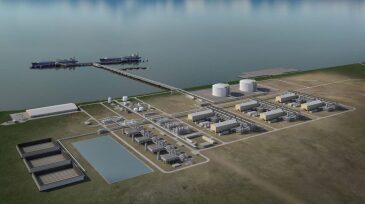
A series of major advances will move Phase One of the Alaska LNG Project from the development phase into execution.
-
The expansion project by QatarEnergy is expected to increase LNG production capacity to 142 mtpa when it goes online.