Pipelines/flowlines/risers

This work introduces a novel predictive methodology combini ang historical metocean data with real-time riser analysis for shallow water dynamically positioned (DP) rig operations, addressing a gap in industry literature. The integrated approach of predictive nonproductive-time (NPT) estimation, real-time monitoring validation, and structured decision protocols for cr…

The deals, with a potential value exceeding $3.7 billion, are aimed at strengthening Saudi Aramco’s supply chains and expanding its use of industrial artificial intelligence.

ExxonMobil and its Area 4 partners have awarded $1.1 billion in pre-investment contracts for long-lead upstream equipment supporting Mozambique's Rovuma LNG project. The awards, led by OneSubsea, mark a key step toward FID as development advances on ExxonMobil's largest global investment.
-
 The complete paper describes the development of a smart robotic inspection system for noncontact condition monitoring and fault detection in buried pipelines.
 -
Large-scale subsea infrastructure is a feature of the world’s territorial seas, with much of it associated with oil and gas. Research on fish and fisheries interacting with subsea infrastructure, however, has been limited. This paper presents research on fish species associated with pipelines.
-
The funding from Chevron Technology Ventures and Energy Innovation Capital will help scale Ingu’s data collection platform and analysis for its Pipers technology, a pipeline screening tool launched last year.
-
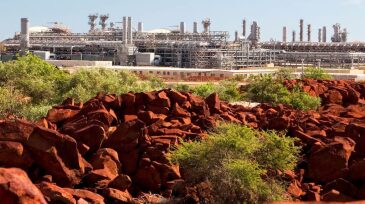
The pipeline is the first step in developing the infrastructure needed to transport gas between Pluto LNG and the Karratha Gas Plant in Western Australia. Woodside is targeting 2022 startup.
-
Nonmetallic, thermoplastic composite pipe (TCP) technology can now be found in every oil and gas region globally and can operate at pressures of up to 12,500 psi, and in water depths as low as 3000 m. The focus is now on developing and deploying TCP risers for extreme environments.
-
This paper describes a material designed to interact specifically with highly corroded and weathered pipe to enable in-place application and refurbishment.
-
Internal corrosion has caused ADNOC to suffer loss of containment in oil flowlines in a giant onshore field. This paper describes the successful 5-year field trial program and confirmation that HDPE liner application in carbon steel pipe can be a cost-efficient way to mitigate internal corrosion.
-
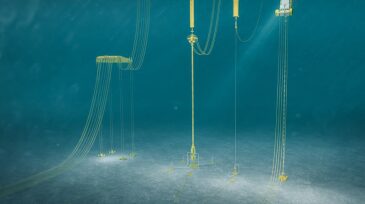
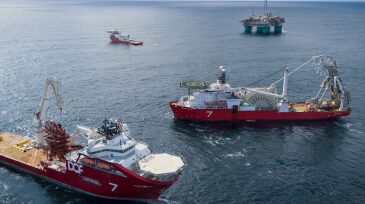
The completion of the subsea installation marks another major step for one of several projects scheduled to tie back to the Gjøa platform in the Norwegian North Sea. Production for the Wintershall Dea-operated project is expected to start up in 2021.
-
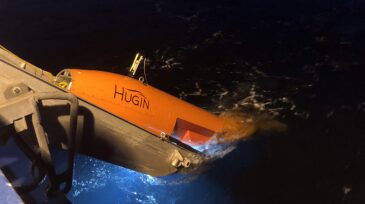
The subsea operations company said its most recent campaign is the first fully unmanned offshore pipeline inspection completed “over the horizon,” surveying up to 100 km from the shore.
-
After protesters disrupted construction of an oil pipeline in North Dakota by chaining themselves to construction equipment and pitching tents along the route, oil and chemical companies found a way to keep it from happening again. They made it a crime.