Processing systems/design

Despite significant progress in capturing associated gas for domestic use, Iraq remains the world’s third-largest gas-flaring country as it aims for higher oil and gas production targets.

This article addresses the challenges of managing water-soluble organics (WSOs) in offshore produced water. It provides a brief discussion of the chemistry, along with strategies and technologies that can be used to manage WSO levels in produced water, thus facilitating compliance with regulatory overboard water-quality guidelines.

The new technology, recently highlighted at OTC, has received a statement of maturity from ABS.
-
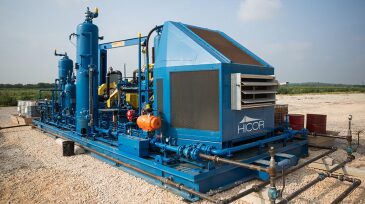
 A newly developed compressor undergoing field trials could significantly change, and bring substantial cost savings to, the way wellsites are designed.
 -
Offshore project execution enhancement ideas are highlighted for debottlenecking, gas-hydrate-induced pipeline vibration, and the design of subsea systems for efficient startup.
-
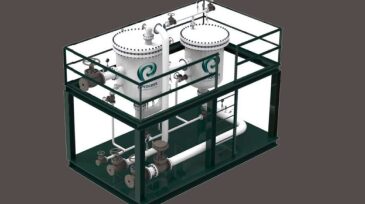
An operator in the western Gulf of Thailand retrofit two partial-processing water-management systems on mobile-offshore-production-unit platforms for bulk removal and treatment of produced water. Water debottlenecking increased oil production by 80% and reduced the infield transfer volume by 62%. Th
-
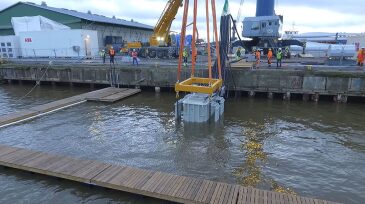
A JIP turned the dial closer to achieving all-electric subsea processing with the underwater testing of a subsea variable speed drive in a harsh water environment.
-
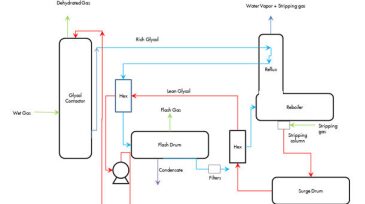
The paper discusses dehydration performance of two units in two plants—with preinhibited glycol/antifoam/pH adjuster blend vs. neat glycol with periodic injection of antifoam and pH-adjuster inhibitors. The insights present an opportunity for significant operating and capital costs reduction.
-
This article highlights some of the code and registration issues the Savvy Separator engineer encounters when retrofitting a vessel with internals to improve or restore the process performance of the separator.
-
Widening the use of subsea separation and produced-water reinjection or discharge systems to unlock oil resources depends on improving subsea water-quality measurement.
-
Part 2 of this two-part series presents a new methodology for sizing and rating three-phase separators based on quantifying the actual mechanisms and physics that govern separation performance. An example illustrates the calculations needed to achieve the specified outlet fluid qualities.
-
Why is designing with human error in mind so critical? Consider that nearly 80% of all offshore facility accidents are caused by human errors, and 64% of these accidents happen during operations.
-
By understanding the factors involved in oil droplet coalescence, the Savvy Separator engineer can assess the operational/chemical factors in the treatment system that are affecting droplet growth and make adjustments to enhance coalescence rates.