Production
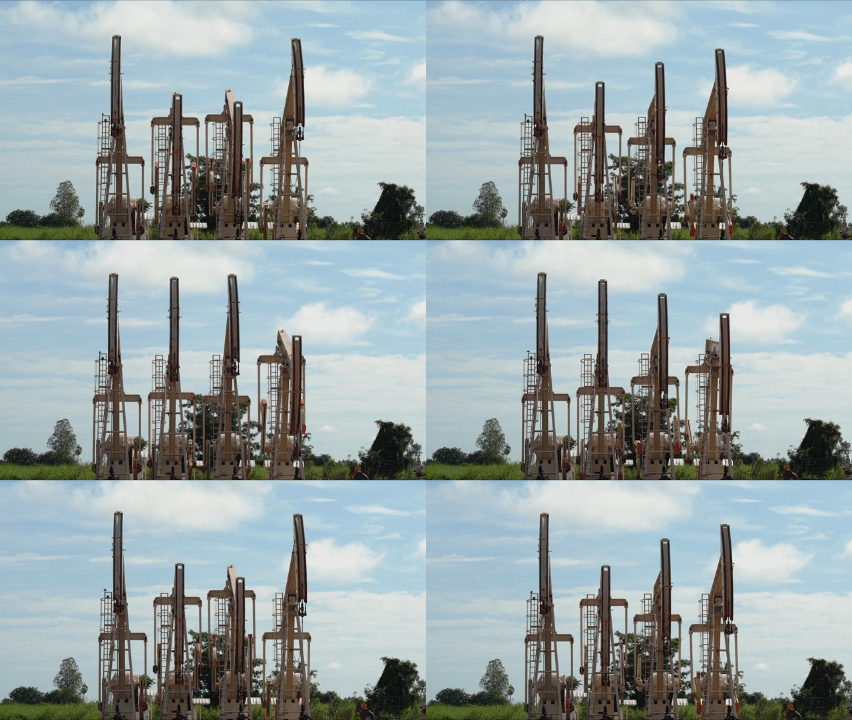
This paper proposes a novel, real-time pump failure prediction method using machine learning with scaled load ratio to accurately predict pump failures using only surface pump load data.

Five agreements target more than 11 Tcf of offshore gas and include flare-reduction technology.

Disputes over tanker fees and the ongoing military operation in Lebanon represent potential fault lines for the tentative peace deal.
-
 Some offshore operators invest tens of millions annually in well interventions, while others spend nothing. What drives the difference remains a mystery.
 -
Interfacial tension keeps oil and water separate by resisting the mixing of their molecules at the surface. Learn how industry experts measure this force to diagnose fluid behavior.
-
The second-largest gas producer in the US is aiming to pump an average of 6.3 Bcfe/D this year.
-
Brazil’s ANP extends BW Energy’s contract for the deepwater field from 2031 to 2042, and BW plans to further develop the field.
-
Plugging operations are scheduled to begin early 2026.
-
The shallow-water subsea tieback to the Jupiter platform is expected to produce about 250 MMcf/D of gas at peak.
-
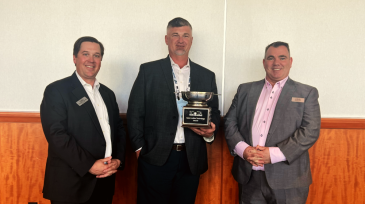
TechnipFMC, in collaboration with Halliburton, was awarded the 2025 ICoTA Intervention Technology Award and received the 2025 Curtis Blount Outstanding Paper Award.
-
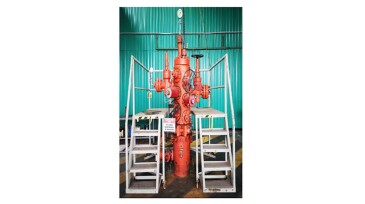
To enable a fully interventionless approach, a barrier-rated tubing-hanger valve has been developed to eliminate slickline intervention and minimize associated risks and operational time.
-
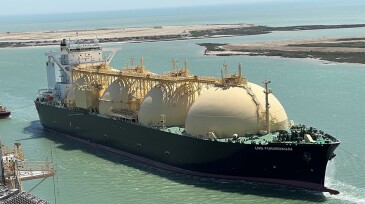
An oversupply of LNG carriers is putting downward pressure on charter rates, pushing them to historic lows. Newbuild LNG carrier deliveries have been outpacing the construction and permitting of new liquefaction facilities needed to support them.
-
Advanced tracer technology was deployed in Oklahoma to analyze production across lateral well sections.