Production

Trafigura will purchase 100,000 metric tons of battery-grade lithium products under a decade-long take-or-pay contract valued at over $2 billion.

The 2026 Upstream Scale Guidelines establish a common workflow for field measurements, scale modeling, and risk assessment to support more consistent operational decisions.

The long-term outlook analysis says a potential shift toward new construction could push 2026 production 3% above 2025 levels.
-
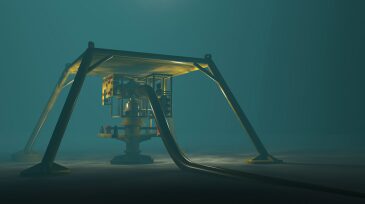
 This paper identifies potentially significant hidden value of subsea multiphase boosting technology, or aspects of it that have not received adequate attention during the field-development decision-making process.
 -
The motto of the Olympic Games is “Citius, Altius, Fortius,” Latin for “faster, higher, stronger,” which emphasizes the concept of pushing the limits. As an engineer, that approach really speaks to me—and offshore installations, and especially offshore tiebacks, illustrate that concept very well.
-
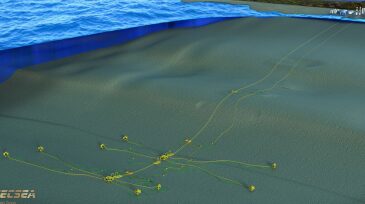
Eni conducted a research project to explore the maturity of new technologies to enable economical development of deepwater prospects with tieback distances longer than 50 km and 150 km, respectively, for oil and gas fields.
-
This case study describes how gas condensates within a subsea tieback system behave very differently to condensed water from a wet-gas system and therefore a pseudo dry-gas system needs to be configured differently for gas-condensate developments.
-
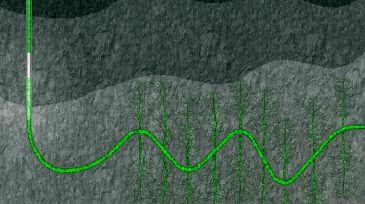
SponsoredLiquid loading is declining the production rates and limiting the ultimate recovery of shale gas wells. This article explains how subsurface compression can remove liquids from the horizontal and vertical wellbores and increase one operator’s production by 67%.
-
The application continuously uses machine-learning algorithms to aggregate historical and real-time data across production operations. Additionally, the application uses a hybrid approach that draws on physics-based and data-driven AI models to generate predictions and prescribed actions.
-
Production data from the oldest horizontal wells in the three largest oil plays in the US show that annual decline rates remain relatively high for a long period of time. This challenges assumptions held about production after 5 years and directly affects reserve and ultimate recovery estimates.
-
Oil companies are considering whether shutting in a well for a month or so may mean stronger production later by allowing more time for water to soak into the rock, which gets it out of the way of the oil and gas. But this is not always effective, and additional work is needed.
-
Production decline with field maturing is a natural phenomenon, but the efforts to mitigate this decline are truly remarkable. Achieving this feat requires not only a deeper understanding of the subsurface process involved but also a total synergy between the various disciplines engaged.
-
The XamXung field offshore Sarawak, Malaysia, is a 47-year brownfield with thin remaining oil rims that have made field management challenging. The dynamic oil-rim movement has been a key subsurface uncertainty, particularly with the commencing of a redevelopment project.