Production
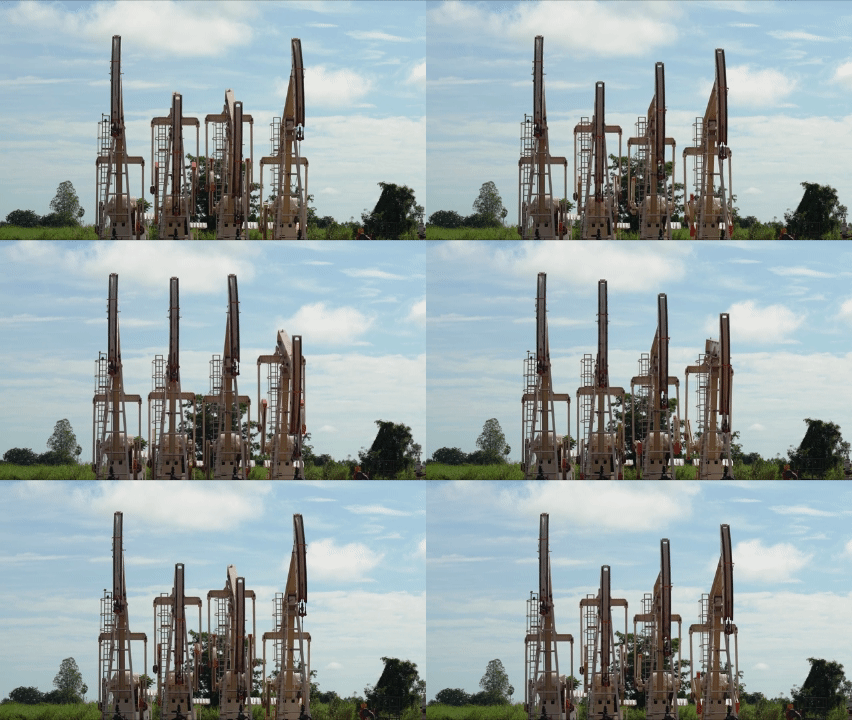
This paper proposes a novel, real-time pump failure prediction method using machine learning with scaled load ratio to accurately predict pump failures using only surface pump load data.

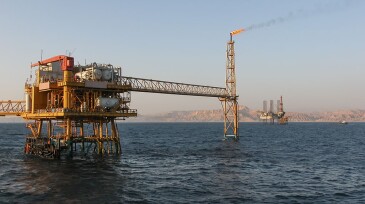
Five agreements target more than 11 Tcf of offshore gas and include flare-reduction technology.

Disputes over tanker fees and the ongoing military operation in Lebanon represent potential fault lines for the tentative peace deal.
-
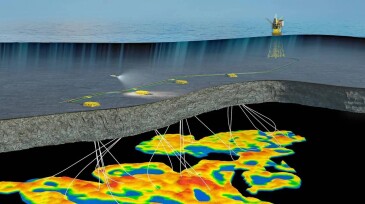
 The subsea field tied back to Grane is expected to produce 60,000 B/D at peak.
 -
A drop in the number of wells drilled on the UK Continental Slope is concerning as many fields in the mature basin are reaching the point of production cessation.
-
SponsoredThe Wyoming Gas Injection Initiative (WGII) makes available $22 million of matching funds from the State of Wyoming to implement, in close collaboration with oil and gas operators and Dow, multiple field pilot projects in the State of Wyoming. The Initiative will fund projects over a 3- to 5-year period to support developments with significant potential to enhance wel…
-
A new study from Saudi Aramco shows that the answer to the industry's billion-dollar corrosion problem might be sitting in your medicine cabinet.
-
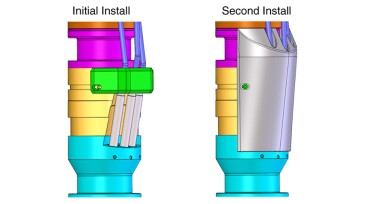
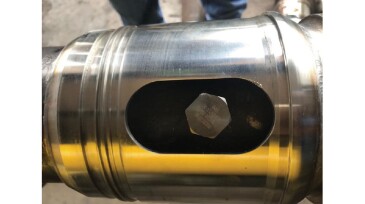
The authors of this paper describe a coating designed for enhanced erosion resistance for standard wire-wrapped screens that consists of ceramic or hard metal applied by plasma spraying.
-
This paper explores electrical submersible generator design considerations, theoretical underpinnings, and potential future applications.
-
The authors of this paper discuss the effectiveness of smaller port sizes and the use of dummy and Venturi valves to enhance gas lift performance and maximize recovery in mature offshore fields.
-
The authors of this paper present an artificial-lift timing and selection work flow using a hybrid data-driven and physics-based approach that incorporates routinely available pressure/volume/temperature, rate, and pressure information.
-
The authors of this paper describe a project in which retrofitted autonomous inflow control devices were deployed successfully in a field to minimize water production and maximize oil recovery.
-
Paper SPE 213089 describes an artificial lift selection tool for unconventional reservoirs driven by reduced-physics models. Paper SPE 213975 extols the value of gas lift downsizing by optimizing the selection and placement of Venturi, orifice, and dummy valves. And Paper SPE 214361 explains how electrical submersible pumps could become electrical submersible generato…