Production

At the inaugural SPE/ICoTA Asia Pacific Well Intervention and P&A Conference and Exhibition in Kuala Lumpur, industry leaders highlighted how high-fidelity well data, real-time diagnostics, and predictive technologies are reshaping intervention planning and execution to improve well performance, reduce risk, and optimize late-life asset management.

Sponsored
With operators under pressure to deliver more energy with fewer resources, predictable drilling performance is more important than ever. Discover how a unified digital workflow can turn drilling data into better decisions and consistent execution—providing the foundation for autonomous drilling and more predictable, profitable, and productive wells at scale.

Superior seeks to expand its international footprint through the acquisition, which is reportedly valued at $1.2 billion.
-
 Updates about global exploration and production activities and developments.
 -
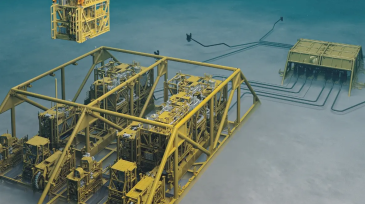
Production from the Búzios field now tops 1 million B/D with six floating production systems in operation and more on the way.
-
Thailand’s PTTEP is partnering with subsea joint venture SLB OneSubsea to expand capacity across two fields offshore Malaysia.
-
This study compares water-based chemicals including surfactants, nanoparticles, and ketones that can be used for enhancing the oil recovery of shale-oil reservoirs.
-
Updates about global exploration and production activities and developments.
-
A collaboration between a large independent and a technology developer used low-cost interventions to optimize production from unconventional wells.
-
With inventories swelling and China’s stockpiling nearing its limit, global oil prices may be running out of room to hide.
-
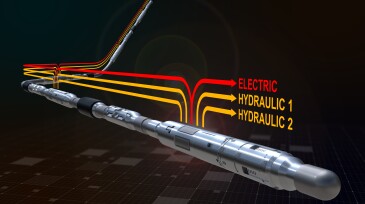
SponsoredSince 1997, intelligent completions have transformed reservoir management, but adoption remains limited due to perceived complexity. The industry reached a pivotal moment with the development of next-generation technologies that address longstanding challenges and offer simpler operation solutions.
-
Satellite data show nearly 45,000 methane plumes worldwide in the first quarter, triple the number from a year earlier.
-
BP’s new electric gas compression platform at Shah Deniz, Azerbaijan’s largest natural gas producer, is expected to sustain exports to Europe even as the field enters decline.