R&D/innovation

High-risk, high-reward projects focused on stimulation, enhanced recovery, and field-scale deployment are eligible under the DOE’s new UNLOCK initiative.

The Houston-based developer of AI-powered submersible robotics earned the Best in Show Award and a $10,000 prize.

Robotic and autonomous systems are transforming energy operations, but their full value emerges only when paired with data science, engineering analytics, and AI/ML to turn data into decisions. The transition of the SPE Robotic & Autonomous Systems Technical Section into the SPE Data Science & Engineering Analytics Technical Section helps bridge this critical technolo…
-
Scientists have developed oxidized carbon particles that extract radioactive metals, such as cesium and strontium, from water. They said the materials may help purify contaminated waters stored after the Fukushima nuclear power plant accident and also can trap common radioactive elements found in waterfloods from oil extraction, such as uranium, thorium, and radium,
-
 A recently launched joint industry project (JIP) is working to improve petrophysical analysis methods to reduce the time and expense of characterizing tight sandstone gas reservoirs for exploration, appraisal, and production.
-
Investment in digital technologies may increase project efficiency and reduce costs. However, Technip’s chief executive officer (CEO) said it is equally important to strengthen relationships with companies along the supply chain.
-
A number of ongoing industry research projects are developing nanoparticles that work at the reservoir level and for fluid treatment. Though they may be a few years away from finalization, these efforts highlight nanotechnology’s increasingly sophisticated and growing application scope.
-
This article is a summary of the 2016 follow-up paper on carbon capture and sequestration, one of the five grand challenges to the industry identified by the SPE R&D Committee in 2011.
-
ADNOC and BP will collaborate to form an earth surface technology center in Abu Dhabi. ADNOC has also reformed its stage gate process for advancement of new technologies.
-
New leadership aims to make positive, lasting changes at RPSEA.
-
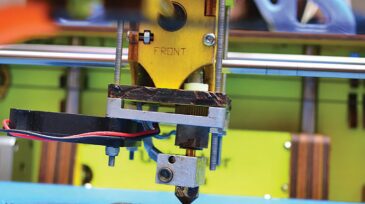
Researchers at Heriot-Watt University in Edinburgh, Scotland, are building replica core samples using 3D printers and installing sensors inside them as they go. Their goal is to directly monitor pore-scale flow behavior from the inside of these so-called “smart rocks.”
-
Downturns offer you a choice: Panic and shut down all but breathing or make use of the opportunities that desperation has handed you. A mountain of mistakes is a gold mine to those willing to spend the time in assessment mode.
-
Service companies are using the latest generation of additive manufacturing technology to print out steel components for big ticket downhole tools. There is great potential for the technology to drive down equipment costs and improve performance.