R&D/innovation

A shared digital mindset across subsurface, subsea, and drilling and wells is accelerating well planning at Vår Energi.

With funding opportunities improving, developers and researchers are focused on shortening project learning cycles and reducing uncertainty to attract more capital and speed deployment.

The US Department of Energy has awarded more than $99 million to 21 projects that will advance geothermal development through field-scale testing of next-generation technologies and exploration drilling programs across the US.
-
 Fracturing two or more wells at the same time creates connections. While fracturing fluids reach out further, those ties create a stronger link, though not forever.
 -
By measuring which tests best predicted the fractures observed at the Hydraulic Fracturing Test Site, Laredo Petroleum developed a method it hopes will improve fracture modeling in other places.
-
A close look at hundreds of feet of fractured core samples suggest that new fracture models are needed to simulate complicated reality.
-
From the highest courts of the US judicial branch to the C-suite, contests involving patents have recently come to the fore in the innovation hungry US oilfield services industry, even as filings and litigation have declined in recent years.
-
Well-interference issues can be hard to diagnose, but this startup may be figuring that out. The data-driven process it developed can also help operators come up with more effective ways to use diverters.
-
Seeking out, experimenting with, and ultimately embracing technologies from other industries have proven crucial to innovating at oilfield service firms such as Halliburton, which has tried everything from dog food to submarine tech to improve its work downhole.
-
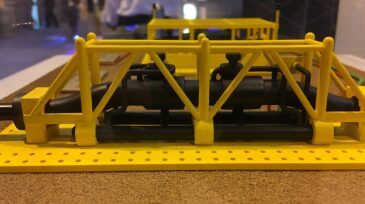
When two engineers lost their jobs during the industry downturn, they used the misfortune as an opportunity to develop an innovative concept that aims to make it a lot easier to move subsea gas long distances.
-
Being a startup in oil and gas isn’t always easy, and so it is nice when you get noticed at the industry’s largest gathering, the Offshore Technology Conference. Learn about 10 new companies that industry insiders say are the ones to watch in 2018.
-
Petroleum Development Oman has partnered with SparkLabs Group, a global venture and accelerator group, and Phaze Ventures, a new technology group focused on innovation throughout the Middle East, to launch a new accelerator focused on energy technology in the region.
-
The process of finding, developing, and testing new technology can be as complicated as the technology itself—especially at a time when operators have little tolerance for risk.