Reservoir

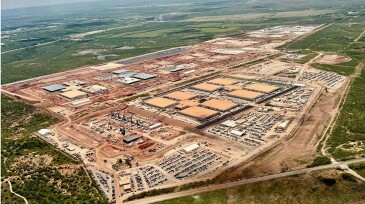
The UAE project is expected to produce up to 345 MMscf/D by 2029, with expansion potential to 1 Bcf/D.

This study investigates the potential for in-situ hydrogen generation from hydrocarbons using in-situ combustion, with particular emphasis on the role of kerogen content and heating mode.

This paper presents the application of degradable particulate-diverter technology to improve oil production by effectively diverting stimulation treatment fluids away from high-water-cut, high-permeability, high-temperature producing intervals or zones.
-
 Operators from across the region met in Muscat to share how lessons from pilot programs are shaping cost, scale, and technology priorities across the region.
-
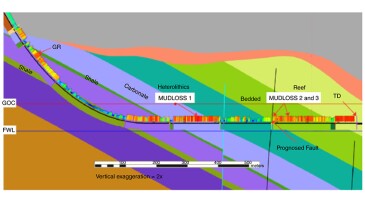
A collaboration between a large independent and a technology developer used low-cost interventions to optimize production from unconventional wells.
-
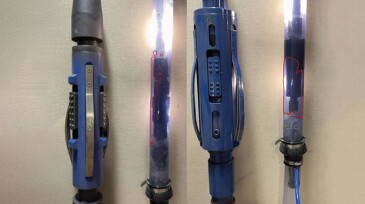
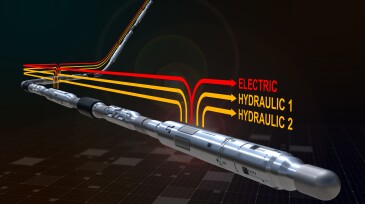
SponsoredSince 1997, intelligent completions have transformed reservoir management, but adoption remains limited due to perceived complexity. The industry reached a pivotal moment with the development of next-generation technologies that address longstanding challenges and offer simpler operation solutions.
-
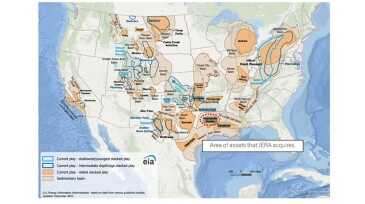
JERA joins Tokyo Gas as a player in the Haynesville as Japan targets the US Gulf Coast as key to building global LNG supply chains.
-
ExxonMobil joins BP, Chevron, and TotalEnergies in greenlighting new investment projects in Iraq in 2025 as the government targets oil production of 6 million B/D by 2029.
-
This paper discusses cases from the North Sea and offshore California in which high-fidelity pressure and dynamics measurements, combined with high-speed telemetry, helped overcome complex geotechnical challenges.
-
This paper describes an alternative lower-completion concept for developing Lower Wilcox reservoirs referred to as high-angle multifractured well design.
-
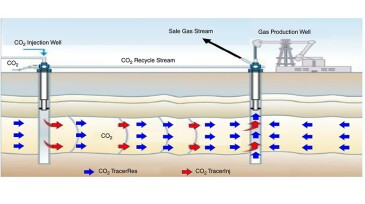
This study explores the feasibility of implementing in-situ carbon dioxide recycling for sequestration as a fit-for-purpose developmental strategy for a Malaysian gas field characterized by an initial carbon-dioxide content of approximately 60%.
-
The technology to desalinate and reuse produced water for cooling AI data centers in the Permian Basin exists, but addressing cost challenges remains critical to widespread adoption.
-
The leaders of US oil and gas companies in Texas and neighboring states cite regulatory uncertainty, tariffs, and volatile prices as drags on activity.