Reservoir
This study demonstrates how routinely acquired downhole temperature data allows for direct estimation of fluid saturations and delivers more accurate reservoir volume assessments, particularly in aquifer-supported systems.

Sponsored
Effective data analysis depends on seeing connections that matter. Explore how Spotfire enables a more intuitive approach to understanding petroleum data.

The deal adds over 1,000 potential drilling locations and almost doubles oil production for Houston-based Magnolia.
-
 This paper describes a technology with the capability to map and detect lithology changes ahead of the bit in real time.
 -
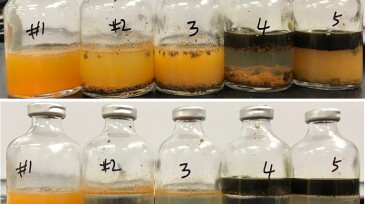
Friction reducers play multiple critical roles in fracturing. A challenge in selecting the best one for the job is the growing evidence that performance varies, but objective performance measurements are lacking.
-
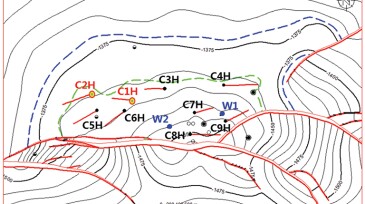
The paper describes an integrated work flow to apply autonomous inflow-control devices successfully in an offshore heavy-oil reservoir with significant uncertainty in remaining oil thickness and water/oil contacts.
-
This paper details new technologies and work flows implemented for Australian offshore wells to improve drilling efficiency while managing associated risks.
-
The paper demonstrates the application of an interpretable machine-learning work flow using surface drilling data to identify fracable, brittle, and productive rock intervals along horizontal laterals in the Marcellus shale.
-
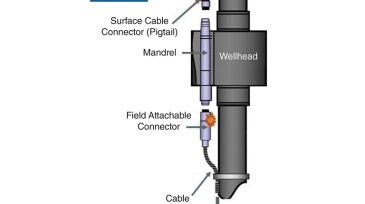
This paper describes the findings of a root-cause analysis of wellhead-penetrator failures in Canadian steam-assisted gravity-drainage operations and the mitigation measures taken.
-
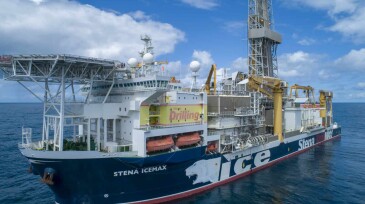
E&P independent Energean has awarded Halliburton a contract to provide services for drilling up to five wells offshore Israel in collaboration with Stena Drilling.
-
New case studies from this year's Offshore Europe were a reminder of how sustaining subsea reservoirs as they age often calls for determined and innovative engineers.
-
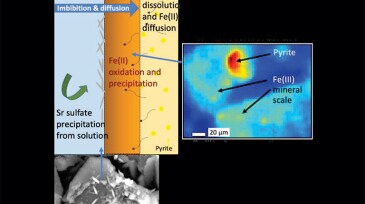
The obsession with better hydraulic fracturing has steadily pushed on shale production in year one, but the decline remains steep. Chemistry could help explain, and perhaps extend, the short productive life of these wells.
-
Traditionally, wireline or logging-while-drilling formation-testing technology has been the most accepted means of reservoir fluid characterization. But when those fluids are contaminated by mud filtrate, acoustic data can be used for fluid characterization during downhole sampling to successfully track and quantify small changes in oil compressibility.