Robotics/unmanned systems

Autonomous drilling through managed pressure drilling (MPD) at the Atlantis field has given the operator confidence to scale the method.
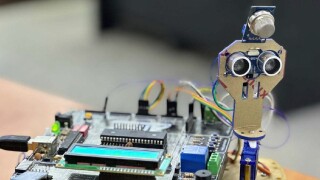
This paper presents a robot integrated with a microcontroller that provides multiple functions to help with data logging, analysis, and reporting to identify hazards and improve safety protocols.

With the right infrastructure and interoperability, subsea resident robotics could unlock more frequent, cost-effective inspections—and a new standard for offshore efficiency.
-
 Ocean services provider DeepOcean has mobilized its first autonomous inspection drone and plans to conduct offshore trials for an operator on the Norwegian continental shelf.
 -
The new Kongsberg Discovery business area will turn the company’s sensors toward mapping and monitoring the ocean.
-
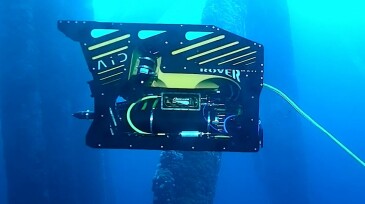
The company’s edge software allowed the remotely operated vehicle to operate autonomously without being tethered to a surface ship.
-
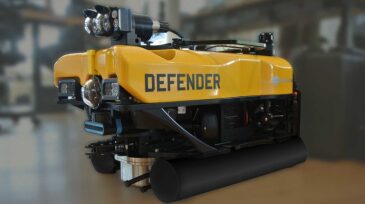
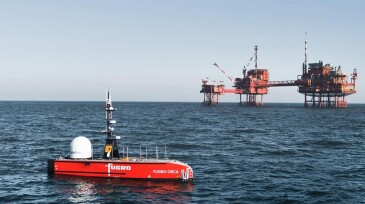
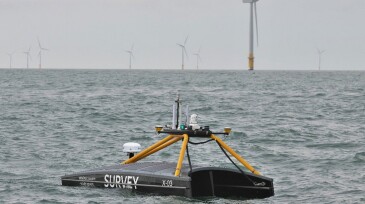
The company used an uncrewed surface vessel and an electric remotely operated vehicle to conduct a survey for TAQA in the North Sea.
-
The emergence of reliable, affordable, and accessible uncrewed systems reveals their potential to play a valuable role in the energy transition.
-
Energy firm Vattenfall has conducted large-scale seabed surveys with uncrewed surface vessels. The company reports positive results, from both climate and safety aspects.
-
GlobalData’s report "Robotics in Oil and Gas" notes that, while robotics has been a part of the oil and gas industry for several decades, growing digitalization and integration with artificial intelligence, cloud computing, and the Internet of Things have helped diversify robot use cases within the industry.
-
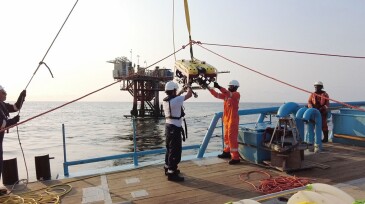
The Seaeye Falcon underwater robot is being used in the decommissioning and repurposing of an oil rig offshore Angola.
-
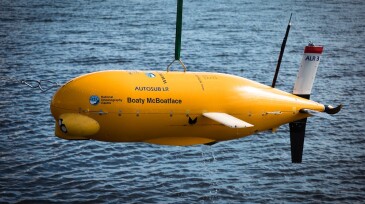
A recent mission that saw the robot submarine Autosub Long Range, better known as "Boaty McBoatface," explore and visually map end-of-life oil fields has been hailed as a success.
-
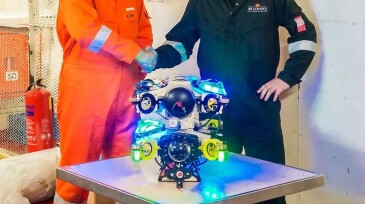
Swiss robotics company Hydromea and Scottish remote technology firm ACE have agree to work together to use the world’s first underwater wireless remotely operated vehicle for inspection of offshore facilities.