Safety

The SPE Human Factors Technical Section has been officially renamed the SPE Safety Technical Section. The new name better reflects how safety is managed today across interconnected areas like human performance, risk management, and system resilience.

The company said its frequency of serious incidents was down at the end of the year from its levels at the end of 2024.

This paper examines how real-time monitoring can improve both incident prevention and emergency response in the oil and gas industry. Drawing from real-world examples and case studies, it provides practical strategies for implementing this technology effectively.
-
 With funding from the National Academies of Sciences, Engineering, and Medicine, the Argonne National Laboratory will explore using a method known for analyzing nuclear systems to enhance safety in offshore oil and gas operations in the Gulf of Mexico.
 -
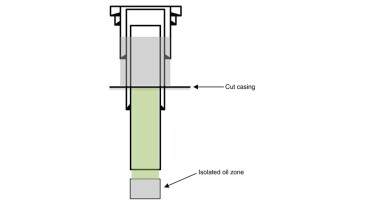
This paper discusses housing pulverized blades mixed with Portland cement in wells considered for plugging and abandonment.
-
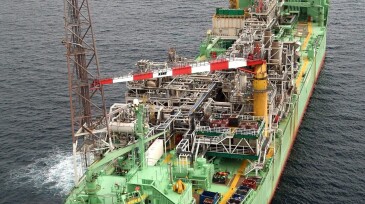
The Haewene Brim FPSO will need repairs to a pair of mooring connections before it can restart operations.
-
The memorandum of understanding aims to combine the efforts and expertise of both agencies.
-
-
The Norwegian company’s third-quarter safety report shows the number of serious incidents declining.
-
This paper focuses on the application of blockchain technology and the use of distributed ledgers on process safety and integrity management.
-
ADNOC’s process safety management (PSM) framework has 15 elements that cover all aspects of management, and the company’s PSM Framework Pillars and Elements provide a consistent risk-based approach to process safety management.
-
This paper reviews the Nigerian Upstream Petroleum Regulatory Commission's Safety Case Guidelines for Oil and Gas Facilities with a view to unearthing its content in the light of risk governance in the petroleum sector.
-
The combined awards will help fund five programs across the US and state-based grants focused on pipeline and underground natural gas storage safety.