Safety

The SPE Human Factors Technical Section has been officially renamed the SPE Safety Technical Section. The new name better reflects how safety is managed today across interconnected areas like human performance, risk management, and system resilience.

The company said its frequency of serious incidents was down at the end of the year from its levels at the end of 2024.
This paper examines how real-time monitoring can improve both incident prevention and emergency response in the oil and gas industry. Drawing from real-world examples and case studies, it provides practical strategies for implementing this technology effectively.
-
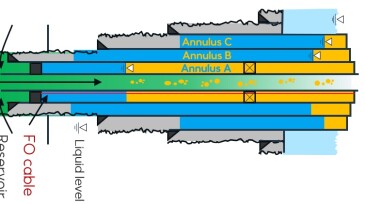
 Distributed fiber-optic sensing data from distributed temperature sensing and distributed acoustic sensing can be used to monitor annuli liquid levels in production wells, further allowing calculation of leak rates and inference of leak path.
 -
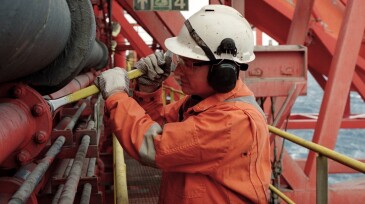
From January 2015 to July 2022, the Occupational Safety and Health Administration received reports of 2,101 severe injuries among oil and gas extraction workers. Contract workers in the service and drilling subindustries experienced disproportionately more work-related injuries compared with those in the operation subindustry.
-
Incorporating technology with items worn on the person, intelligent systems become a part of everyday personal protective equipment, enhancing safety without disrupting operations.
-
Offshore oil and gas companies should expect continued scrutiny of their health and safety practices in 2024 despite a recent report suggesting that the industry has never been safer to work in, experts say.
-
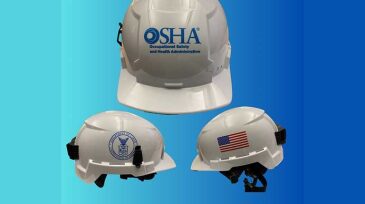
As industries, including the oil and gas industry, strive to enhance worker safety, more advanced and protective modern head protection, safety helmets, are replacing traditional hard hats.
-
Oil and gas is one of the most hazardous industries to work in. It is also an industry undergoing a revolutionary digital transformation. With changes come challenges and new opportunities. This paper looks at the top digital safety trends that are taking place within the industry.
-
A Safety Leadership Academy planned by SPE, IOGP, and CEDEP aims to strengthen leadership and safety culture with the goal of changing the safety paradigm and making zero harm a reality.
-
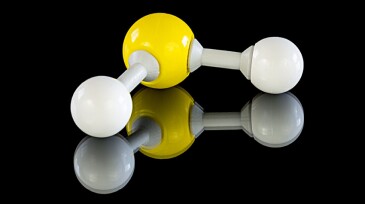
An engineered approach to fracture growth in hydraulic fracturing highlights the successful execution of H2S prevention strategies in North Dakota’s Williston Basin.
-
The energy company is following decisions by five big shipping firms as Houthi militants step up attacks on vessels.
-
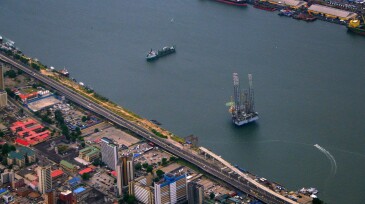
Achieving Safety at Sea—The Safety Programs of the Nigerian Upstream Petroleum Regulatory CommissionThe aim of this paper is to discuss the various safety programs adopted by the Nigerian Upstream Petroleum Regulatory Commission to reduce accidents in swamp and offshore areas, in which the bulk of the oil and gas operations occur.