Safety

This study ascertains the capital expenditure and operating expenditure associated with the reuse of existing facilities, specifically regarding a carbon capture and storage project being prepared in South Korea.

Sponsored
Advance your career with the new Pipeline Engineering Program at the Technical University of Leoben, a 5-month course combining on-campus and online learning, integrating industry expertise, engineering practice, and future-ready skills for professionals in oil, gas, and emerging energy systems.

A resilience-based approach to safety was the focus of a panel of experts at the 2025 SPE Annual Technical Conference and Exhibition in Houston.
-
 This paper presents one company’s experience developing sound technical specifications for prefabricated temporary safe refuges (TSRs). It also details the specifications and presents their implementation and the detailed studies conducted on cost-effective conversions of existing buildings to TSRs.
 -
Systems that reward for low or zero incidents may be to blame.
-
New technologies present both challenges and opportunities for keeping oil and gas workers safe. In two panel discussions at the latest Offshore Technology Conference, safety experts throughout the industry debated how to move forward.
-
Vehicle crash data reported throughout the industry from state and federal agencies as well as independent sources show that speed and seatbelt use are the two biggest contributing factors that lead to oilfield-related fatalities.
-
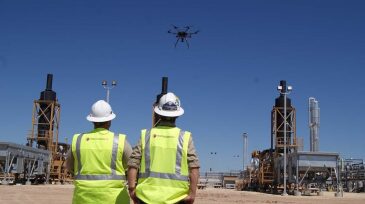
Drones have entered the oil and gas domain as a more comprehensive method of inspection—providing not only a flexible and cost-effective way to conduct inspections but also a data-intensive structure for inspecting assets in a nondestructive manner.
-
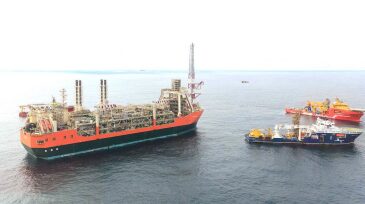
The Health and Safety Executive, a UK safety authority, has served BP with an improvement notice regarding its training for lifeboat evacuation on the Glen Lyon floating production vessel, west of Shetland.
-
This paper discusses ExxonMobil’s focus on the next phase of its safety journey through advancement of individual awareness and decision making to help drive breakthroughs in the operator’s vision of safety.
-
This paper provides an overview of the company’s journey toward preventing significant process-safety incidents. Each step involved in this journey plays a key part. By focusing the improvement of the process on individual steps, the overall learning process has improved significantly.
-
Concern has been growing in the oil and gas industry about the high frequency of mooring line failures. While physical tension sensors can be difficult and costly to maintain, machine learning has shown to be a more-accurate and less-costly method for structural integrity assessment.
-
A new package of regulations governing workers’ safety in the oil and gas sector in Guyana is being crafted, said the country's occupational safety and health consultant at the Ministry of Social Protection, Gwyneth King.