Safety

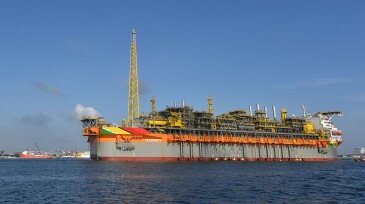
Shell has demonstrated drone-in-a-box operations from its Mars floating production unit, becoming the first operator in the region to secure FAA approval for self-approved offshore beyond-visual-line-of-sight flights. JPT Senior Technology Editor Jennifer Pallanich visited Shell Technology Center Houston to see the system in action.

SPE’s newly renamed Safety Technical Section expands the reach of human factors by integrating safety, risk management, and system resilience expertise while preserving dedicated leadership and technical focus.

As drilling operations become increasingly digital, computer vision is emerging as a continuous safety layer that complements, not replaces, established safety practices. The challenge is no longer whether artificial intelligence can detect hazards, but how operators should deploy, integrate, and govern these systems to improve safety without adding operational comple…
-
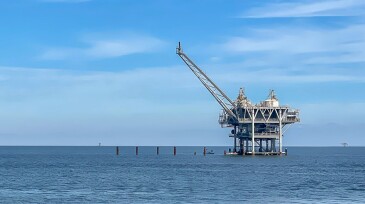
 Since the late 1930s, the offshore industry has advanced from the first platform in 14 ft of water to the ultradeepwater 20K era. Driven by seismic, drilling, and development breakthroughs, the industry has pushed into deeper waters, high-pressure reservoirs, and new frontiers like Guyana, continually expanding the limits of offshore exploration.
 -
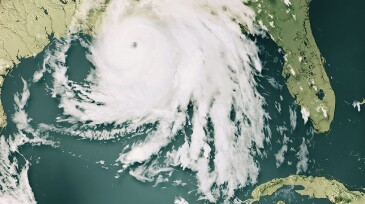
Hurricane prognosticators continue to believe the 2024 Atlantic storm season will be more active than normal, even after a somewhat slow start. In any case, the oil field is ready.
-
The updated rules are designed to increase safety during operations in the US Outer Continental Shelf, including in high-pressure/high-temperature environments in the Gulf of Mexico.
-
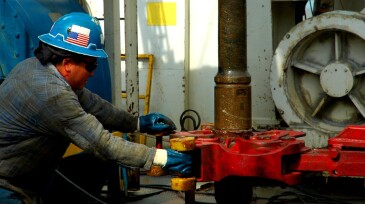
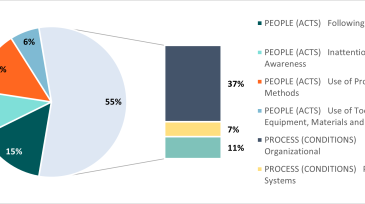
This paper explores the use of human-factors analysis and classification systems in comprehending hand and finger injuries in the oil and gas industry.
-
SponsoredDive into TAQA’s digitalization and deep learning initiatives that are shaping the company's new approach to its Journey Management System. This innovative concept minimizes transportation-related risks in a period of rapid operations expansion.
-
This paper shows real case applications from two organizations where a Permanent Attention program has generated significant improvement in the participants’ situational awareness competency and nontechnical skills acquisition and retention.
-
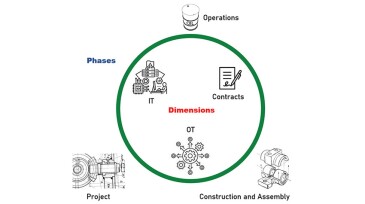
This paper presents an integrated view of three key areas of knowledge that typically are addressed individually—cybersecurity, process safety, and human factors—from the perspective of cybersecurity.
-
The HSE executive is urging offshore companies to take a closer look at human factors after inspectors formed the opinion that Apache failed to fully consider human factors as part of its plans to prevent a fire and explosion on one of its North Sea platforms.
-
The company behind a 42-mile sand conveyor system is now leaning into autonomous vehicles for proppant logistics.
-
This paper outlines how one company uses digital technologies to manage HSE risks in project delivery, developing an artificial intelligence (AI) predictive model to predict HSE risks and incidents based on historical incident data.