Offshore/subsea systems

This paper explores the application of a modular, high-temperature gas-cooled nuclear reactor to a Very Large Crude Carrier-class floating production, storage, and offloading vessel.

This paper describes the potential of combined-cycle technology (use of a gas turbine and a steam turbine together to turn fuel into electricity) in offshore carbon-capture applications.

This paper uses the structural-integrity-management framework to evaluate the current structural integrity of chosen platforms, highlighting their potential and limitations for carbon capture, use, and storage purposes based on in-service assessments.
-
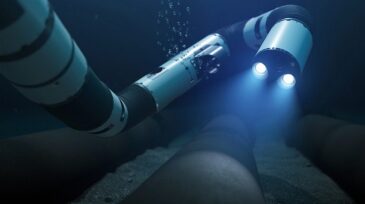
 Subsea advancements in the works include longer tiebacks, an underwater drone that lives on the seafloor, and a robotic manifold capable of actuating dozens of valves. Do these new capabilities, born of necessity, signal a sea change in industrywide technology development?
 -
The company’s new approach is designed to cut the time required to generate optimal subsea field layouts.
-
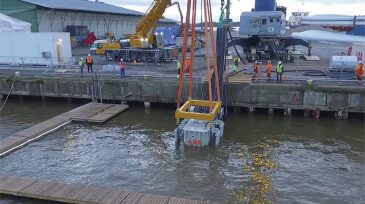
After seeing a significant increase in the price level for subsea equipment, Equinor says it is realizing the ways in which standardized subsea templates help build financial competitiveness. The new standard allowed for the installation of 14 templates in one month.
-
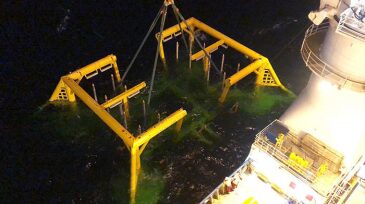
The completion of the subsea installation marks another major step for one of several projects scheduled to tie back to the Gjøa platform in the Norwegian North Sea. Production for the Wintershall Dea-operated project is expected to start up in 2021.
-
In a $60 to $70 oil environment, the subsea market is poised to grow around 7% annually up to 2025. But a significant portion of this activity is at risk if the price of Brent crude falls to $50 per barrel.
-
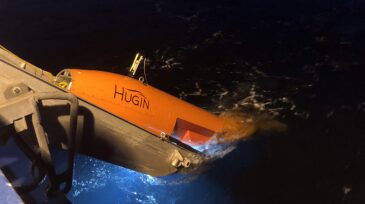
The subsea operations company said its most recent campaign is the first fully unmanned offshore pipeline inspection completed “over the horizon,” surveying up to 100 km from the shore.
-
The subsea tieback is expected to start up in 2021. This is Shell’s second major development on a tieback in the US Gulf of Mexico, following Kaikias’ startup in May.
-
The complete paper highlights elements of the technical development and an overview of the primary building blocks of the system, and presents in detail some of the challenges in developing, designing, and testing the control system.
-
Subsea completions for gathering hydrocarbons from subsea wells have demonstrated both environmental and economic benefits for offshore oil and gas projects. Barriers and opportunities for expanded use of subsea completions involve both technological and regulatory issues.
-
The Neptune-operated project is on track to start drilling later this year, with first oil scheduled for the end of 2020. The Norwegian North Sea field is expected to produce 30,000 BOE/D at its peak.