Sustainability

DNV notes that energy and industrial process-related carbon emissions will have dropped by 2050 by only 44% from today’s level, not even halfway to the net-zero pledge envisioned by the Paris climate agreement.

SPE's new Asset Integrity Technical Section brings together industry experts to advance best practices in reliability engineering, asset integrity, risk reduction, and infrastructure performance. The global community will focus on the safe, reliable, and sustainable operation of energy assets across both traditional and emerging energy sectors.

SPE Journal is seeking submissions for a special issue on sustainable enhanced oil recovery (EOR), highlighting innovations that boost oil recovery while reducing CO2 emissions and environmental impact. The Call for Papers opens on 15 October 2026.
-
 The update increases the guidance’s focus on creating a just energy transition.
-
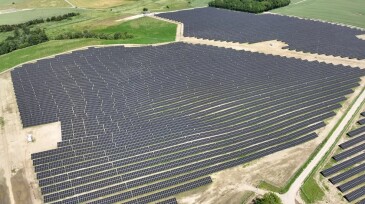
The facility has more than 100,000 solar panels and is capable of producing 65 MW.
-
This paper aims to describe the role of liquefied natural gas as a transitional energy source for automobile transportation in Nigeria.
-
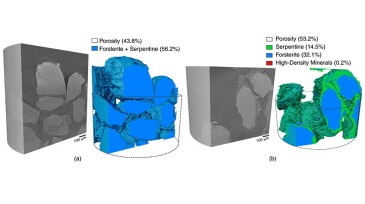
This study concludes that it is relatively easy to generate enhanced hydrogen in the laboratory during injection of high-pH aqueous solution through a pack of olivine sand.
-
The contractor will deliver a similar carbon dioxide injection system to the one it completed for phase one in 2023.
-
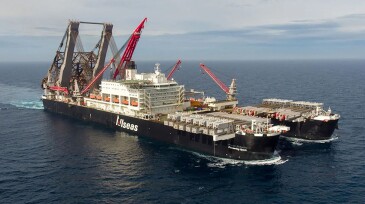
The Dutch marine contractor says it plans to outfit its construction vessels with small modular reactors over 5 years.
-
The two companies said they will evaluate the possibility of a joint venture to develop a direct air capture hub in South Texas, with XRG considering investing up to $500 million.
-
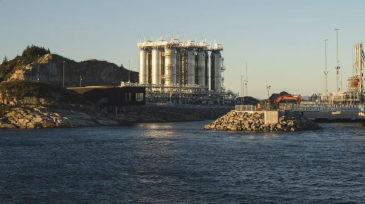
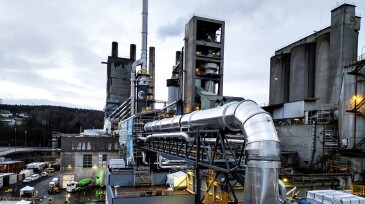
The plant at Heidelberg Materials’ cement facility in Brevik, Norway, has captured its first 1,000 metric tons of carbon dioxide.
-
The times are changing and so are our industry’s prospects, as hydrocarbons are now recognized as cardinal to affordable energy security for the conceivable future. But, in avoidance of suspense, the answer to the headline question is “absolutely.” Here we look at the rationale why.
-
Tariff-fueled cost uncertainties have left the future of low-carbon hydrogen generation up in the air.