Sustainability

Opening day remarks from President Mohamed Irfaan Ali framed fossil fuels and renewables as parallel systems amid rising demand and structural supply pressures.

Experts and industry leaders gathered in The Woodlands, Texas, recently to sift through the challenges of carbon capture, utilization, and storage. The puzzle is coming together, but some critical pieces are still needed before the results look like the picture on the box.

The chair of the SPE Georgetown Section outlines how balanced, apolitical dialogue can support development amid rapid energy expansion.
-
 The two companies said they will evaluate the possibility of a joint venture to develop a direct air capture hub in South Texas, with XRG considering investing up to $500 million.
 -
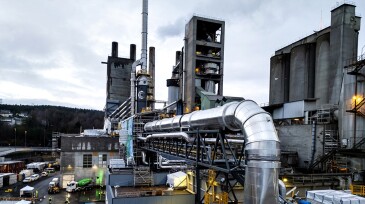
The plant at Heidelberg Materials’ cement facility in Brevik, Norway, has captured its first 1,000 metric tons of carbon dioxide.
-
The times are changing and so are our industry’s prospects, as hydrocarbons are now recognized as cardinal to affordable energy security for the conceivable future. But, in avoidance of suspense, the answer to the headline question is “absolutely.” Here we look at the rationale why.
-
Tariff-fueled cost uncertainties have left the future of low-carbon hydrogen generation up in the air.
-
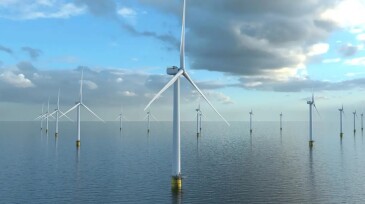
A US government order has stopped building activity aimed at harnessing wind energy offshore New York.
-
The meeting of leaders, experts, and stakeholders emphasized the urgency of addressing greenhouse-gas emissions to mitigate climate change and align with global sustainability goals.
-
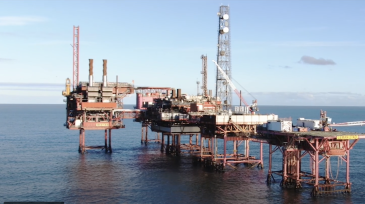
The test marks a milestone in the Poseidon CCS project, which aims to store carbon dioxide in the depleted gas reservoir below the Leman development in the southern North Sea.
-
This paper shares learnings from building a corporate sustainability culture as an infrastructure for environmental and sustainability programs by identifying enablers and challenges common to oil and gas organizations, which are relatively advanced in their sustainability journey.
-
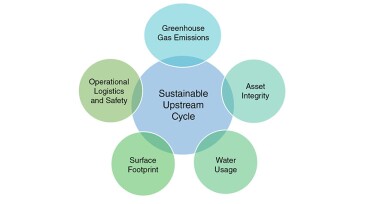
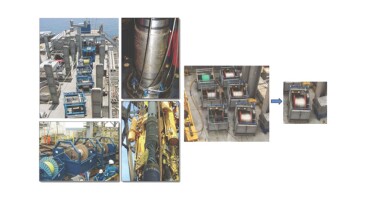
This paper explores the sustainability and safety aspects of laser perforation with a focus on factors such as water requirement, asset integrity, logistics, safety, and surface footprint.
-
This paper describes an intelligent completion system in the context of multiple wells that, by electrifying the process, replaces the conventional electrohydraulic systems that have been in use for decades.