Sustainability

This paper explores the application of a modular, high-temperature gas-cooled nuclear reactor to a Very Large Crude Carrier-class floating production, storage, and offloading vessel.

This paper describes the potential of combined-cycle technology (use of a gas turbine and a steam turbine together to turn fuel into electricity) in offshore carbon-capture applications.

This paper uses the structural-integrity-management framework to evaluate the current structural integrity of chosen platforms, highlighting their potential and limitations for carbon capture, use, and storage purposes based on in-service assessments.
-
 The companies have signed an agreement to deliver carbon captured using Shell’s Cansolv system.
 -
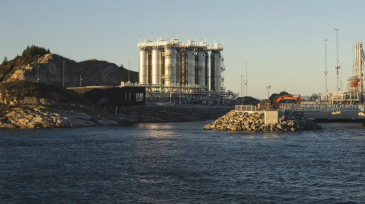
The North Sea project will transport and permanently store up to an initial 4 million metric tons of carbon dioxide per year, with startup expected in 2028.
-
The update increases the guidance’s focus on creating a just energy transition.
-
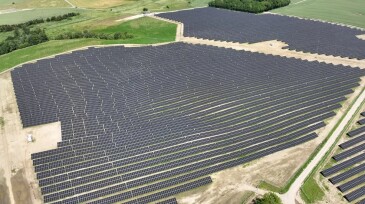
The facility has more than 100,000 solar panels and is capable of producing 65 MW.
-
This paper aims to describe the role of liquefied natural gas as a transitional energy source for automobile transportation in Nigeria.
-
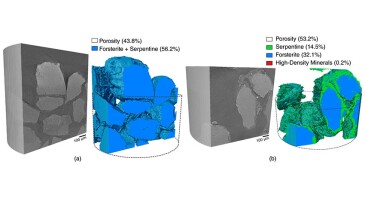
This study concludes that it is relatively easy to generate enhanced hydrogen in the laboratory during injection of high-pH aqueous solution through a pack of olivine sand.
-
The contractor will deliver a similar carbon dioxide injection system to the one it completed for phase one in 2023.
-
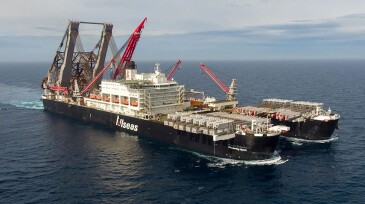
The Dutch marine contractor says it plans to outfit its construction vessels with small modular reactors over 5 years.
-
The two companies said they will evaluate the possibility of a joint venture to develop a direct air capture hub in South Texas, with XRG considering investing up to $500 million.
-
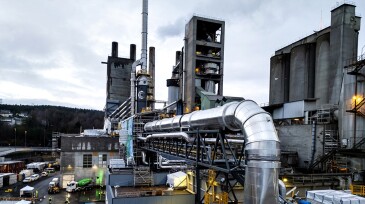
The plant at Heidelberg Materials’ cement facility in Brevik, Norway, has captured its first 1,000 metric tons of carbon dioxide.