Sustainability

SPE's new Asset Integrity Technical Section brings together industry experts to advance best practices in reliability engineering, asset integrity, risk reduction, and infrastructure performance. The global community will focus on the safe, reliable, and sustainable operation of energy assets across both traditional and emerging energy sectors.

SPE Journal is seeking submissions for a special issue on sustainable enhanced oil recovery (EOR), highlighting innovations that boost oil recovery while reducing CO2 emissions and environmental impact. The Call for Papers opens on 15 October 2026.

This paper presents a flexible, highly cost- and energy-efficient method of gas separation and CO₂ capture from many different gas mixtures with a large range of CO₂ concentrations.
-
 APOGCE 2025 set the stage for strategic dialogues on how Asia Pacific’s upstream industry can innovate, invest, and collaborate to meet growing energy demand while advancing net-zero goals.
-
COP30 in Brazil represents a historic first, with the country being the first COP host to have a national CCUS law, an operating direct air capture plant, a project nearing CO₂ injection for pure geological storage, and more.
-
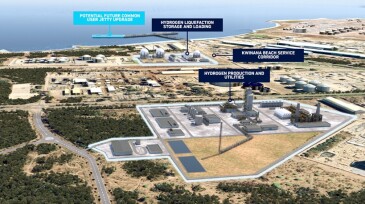
Australia’s H2Perth blue and green hybrid hydrogen project is expected to benefit from carbon credits from the offshore Bonaparte carbon storage facility where Inpex and TotalEnergies are drilling appraisal wells together with Woodside.
-
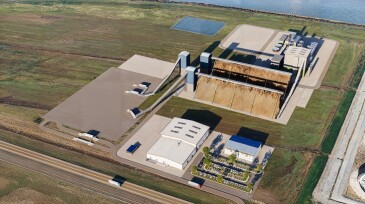
The carbon capture and storage system is expected to transport and store up to 680,000 tonnes of carbon dioxide per year in Louisiana.
-
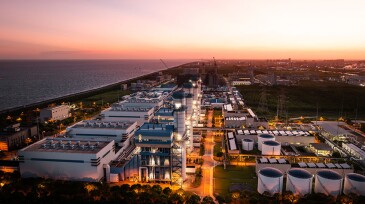
This study recommends favoring the combustion of ammonia over hydrogen for the purpose of reducing CO₂ and nitrogen emissions.
-
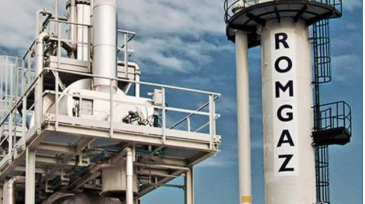
Real-time wellhead monitoring aims to help Romania meet new EU methane emission regulations.
-
The supermajor’s Energy Outlook 2025 suggests geopolitical fragmentation could tilt the balance of the energy trilemma toward energy security and away from sustainability.
-
Iraq’s Gas Growth Integrated Project aims to increase electricity generation by capturing flare gas collected from three southern oil fields. A desalination project will use treated seawater to maintain well pressures.
-
The project is expected to recover up to 300 MMscf/D of flared gas. Plans call for the recovered gas to be converted into treated dry gas, liquefied petroleum gas, and condensate for domestic use and export.
-
The International Energy Agency cited a wave of cancellations and persistent challenges for dropping its projection for annual production of low-emissions hydrogen by 2030 from 49 mtpa to 37 mtpa.