Unconventional/complex reservoirs

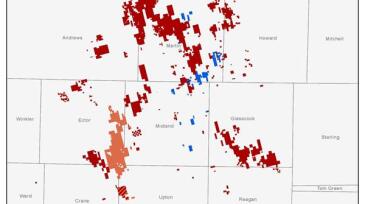
The deal adds over 1,000 potential drilling locations and almost doubles oil production for Houston-based Magnolia.

Average output reached 13.6 million BOPD, extending a period of sustained growth that has kept the US at the forefront of global oil production.
The events will be co-located 3–5 May 2027 at Reliant Park in Houston, Texas.
-
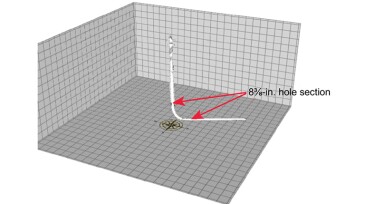
 The authors write that simple changes in drillstring design can lead to huge savings in a climate that demands continual reductions in well-delivery time and well costs.
 -
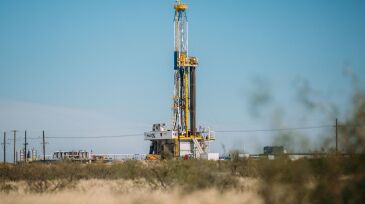
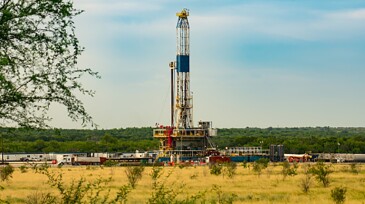
Nabors' RZR-equipped rig has successfully drilled multiple horizontal wells in the Permian Basin.
-
The Permian Basin operator said the purchase ‘checks all the boxes’ it looks for in an acquisition.
-
Seven facilities design and public engagement principles are identified as key elements for the future oil and natural gas production facilities for the DJ Basin, and maybe even as a guide for other North American onshore shale basins.
-
The deal upon closing at year-end would expand Marathon’s position in the south Texas shale play by 130,000 net acres.
-
Recent studies have reignited the question of whether US oil and gas companies are ignoring the opportunity to refracture large swaths of maturing assets.
-
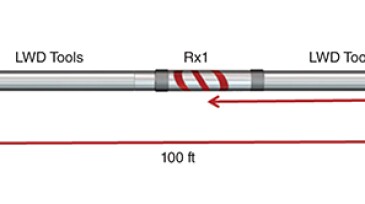
This paper describes the deployment of an ultradeep electromagnetic directional-resistivity instrument to map injection-water movement.
-
In this second part of a two-part series on advances in artificial lift, we’ll look at the state of optimization and a trio of techniques and technologies under development or new to the market. Look for quarterly reviews of specific types of lift in upcoming issues in the new year.
-
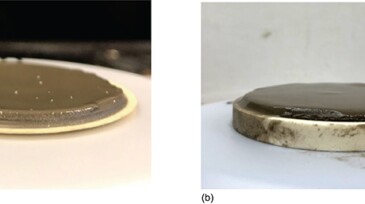
This paper describes a high-density high-pressure/high-temperature brine-based drilling fluid that provides long-term stability and solids-suspension properties for extended periods of time.
-
Billionaire-founder boosts his original offer made in June to secure the deal.