Unconventional/complex reservoirs

Argentina’s President Javier Milei met with TotalEnergies CEO Patrick Pouyanné and Eni CEO Claudio Descalzi in Paris to discuss Argentina’s energy sector, including projects linked to the Vaca Muerta shale formation and the development of the Argentina LNG export project.

Transaction adds 90,000 net acres and 68,000 BOE/D of production as Crescent expands its South Texas footprint.

This paper documents the testing, integration, and field deployment of a metal expandable packer used as an openhole toe isolation plug in a deepwater well under high-pressure, high-temperature conditions.
-
 This paper details a successful pilot to improve long-term well performance using acid stimulation aided by a tailored metal oxide nanoparticle-based fluid in the Wolfcamp A formation.
-
This study introduces a detailed model to capture the physics and chemistry of acid flow in complex horizontal wells completed in carbonate formations.
-
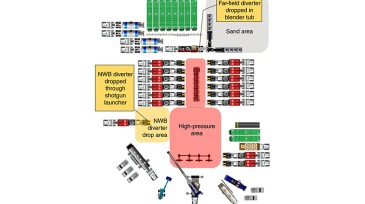
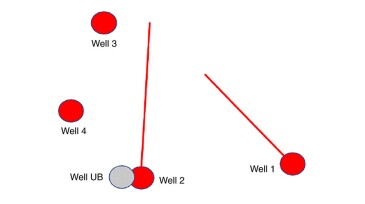
The authors of this paper describe a project in which far-field diverters were pumped to mitigate wellbore sanding and production loss in existing parent wells.
-
This paper describes the application of an underbalanced coiled tubing technology in tight sandstones, using an integrative approach that incorporates petrophysical, geophysical, and reservoir engineering data.
-
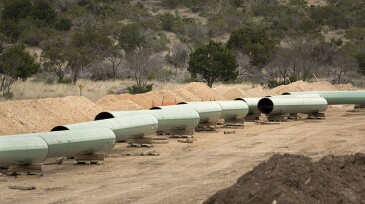
Rising natural gas production plus not enough takeaway capacity equals one big headache for west Texas producers
-
The Houston-based independent will become the top producer in the Eagle Ford Shale with an output of 400,000 BOE/D and is eyeing 1,000 wells to refracture.
-
The acquisition of SilverBow Resources gives Crescent Energy a pro forma output of 250,000 BOE/D.
-
The new award accompanies the creation of an unconventional drilling subsidiary and potential equity deals with SLB and Patterson-UTI.
-
Operators are turning the tide on the Lower Tertiary trend with increasingly large stimulations that are also pushing the limits of offshore technology.
-
Matthew Bryant has spent years trying to convince engineers that the API proppant testing standard has significant limitations. And he may well be right.