Water management

Sponsored
Unwanted water production can erode well performance and asset economics if left unmanaged. Interwell’s precision water shutoff approach, grounded in diagnostics and engineered isolation, helps operators identify water-entry points, protect hydrocarbon flow, and restore sustainable well performance in mature and complex wells.

Ongoing seismicity concerns and orphan well risks are pushing operators and regulators to explore alternatives for managing produced water.

This paper describes a decision-support system that integrates field data, system specifications, and simulation tools to quantify system performance, forecast operational challenges, and evaluate the effect of system modifications in water management.
-
 A professor, whom the EPA charged with reviewing its 2016 study on hydraulic fracturing’s possible effects on drinking water, shared her observations on the process that led to the agency’s final conclusion.
 -
Rising oil production in the Permian Basin has created an opportunity for midstream companies to acquire and expand pipeline infrastructure to handle a predicted spike in produced water.
-
Understanding and prioritizing water management is key for exploration-and-production operators, not only in terms of reducing overall cost but also as a means of mitigating operational risk, complying with changing regulatory requirements, and addressing environmental concerns.
-
As part of a comprehensive water-management strategy, this paper describes different process and operational considerations that are the result of 109 years of production in Argentina’s oldest basin.
-
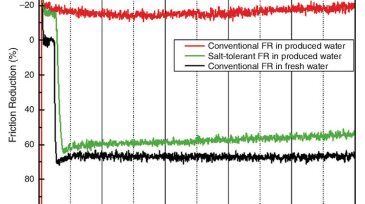
This paper discusses the field trials of a new salt-tolerant friction-reducer system in the Marcellus Shale.
-
A new water-shutoff polymer system has been developed for carbonate formations and shows great stability.
-
An advisor at Newfield Exploration takes a closer look at the company’s water management operations in the Oklahoma STACK, as well as the lessons learned in its development.
-
When fracturing slowed last year in the Marcellus, companies holding produced water they did not need for fracturing paid other operators to take it. It provided a cheap source of fracturing water then, and in the future, water trading could reduce the high cost of shipping water.
-
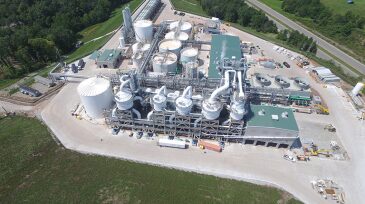
Antero Resources has built a huge plant to turn waste water into fresh water and salt for sale. The $275-million investment in West Virginia is the most tangible indication of how operators in the Marcellus are pushing water reuse.
-
The demand for water and disposal services in the Permian Basin has piqued the interest—and investments—of companies eager to acquire existing pipeline infrastructure and saltwater disposal facilities to capitalize on the growing need.