Water management

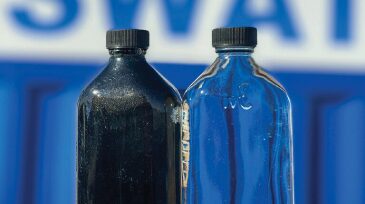
The startup company’s Midland Basin demonstration plant, located in the Permian Basin, takes a major step toward commercialization by proving its direct lithium extraction technology can refine battery-grade lithium carbonate from produced water under multiple 24/7 production cycles.
This paper presents an approach to the identification, selection, and implementation of initiatives for sustainable water management, withdrawal reduction, and water valorization.

Disposal wells remain the lowest-cost solution for produced water, but concerns over seismicity and long-term sustainability are accelerating interest in alternatives.
-
 The room for error and cost overruns just got a lot smaller with the escalating need to make operations more efficient and leaner with fewer resources and investors continuing to prioritize ESG alongside profitability.
 -
Cutbacks in oil and gas production and drilling and completions will result in a decrease in produced water and will also lead to a reduction in water infrastructure investment.
-
The fact sheet, in conjunction with other IPIECA water management guidance, is intended as a guide to explore opportunities to reuse produced water.
-
GWPC releases its third produced water report. Texas leads all states in produced water volume.
-
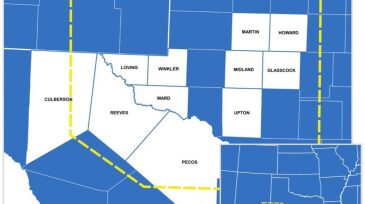
NGL Energy Partners announces acreage dedication for Delaware Basin water transport and disposal
-
Produced water is an inevitable byproduct of oil and gas production. The use of online oil-in-water monitors plays an important role in the management of produced water.
-
Layne Water Midstream has amended its agreement with the Texas General Land Office to gain exclusive right for reuse and disposal of produced water in the Delaware Basin.
-
The Trump administration has finalized a rule to strip away environmental protections for streams, wetlands, and groundwater, handing a victory to farmers, fossil fuel producers, and real estate developers who said Obama-era rules had shackled them with onerous and unnecessary burdens.
-
While traditional operating expenses in produced water management are heavily scrutinized, a full picture of profitability in water management is gained only after comprehensively examining the unique aspects of the overall business model.
-
The objective of this study is to show how the capacitance-resistance model (CRM) was used on this field and how it validated the use of other independent methods. This paper demonstrates that integration of different sources of data in reservoir management is critical.