

-
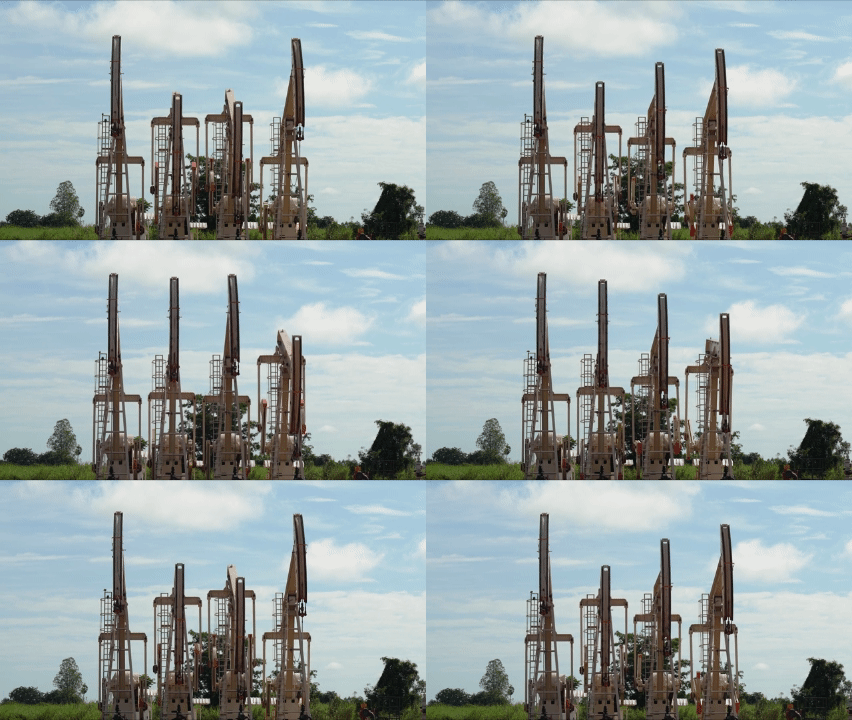
 This paper proposes a novel, real-time pump failure prediction method using machine learning with scaled load ratio to accurately predict pump failures using only surface pump load data.
 -
A laboratory research study evaluates several different chemical injection concepts for the removal of elemental mercury from multiphase flow.
-
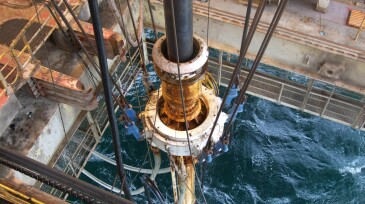
This study explores the use of autoencoder models with convolutional neural networks to present a framework and prototype for early and accurate kick detection during offshore oilwell drilling.
-
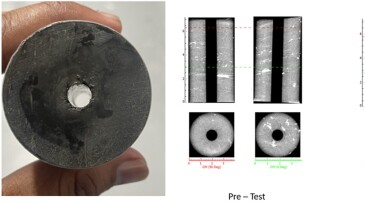
An investigative study examines the use of creeping shale formations as a more durable alternative to conventional cement barriers in carbon dioxide storage wells, potentially enabling safer long-term underground carbon storage.
-
Thermal stimulation can accelerate the formation of shale creep barriers for long-term well integrity but only within a carefully controlled temperature window. This study identifies optimal thermal conditions for maximizing barrier performance while avoiding thermally induced shale damage.
-
A multidimensional Wiener process approach predicts casing remaining useful life, enabling safe, cost-effective well life extension and repurposing for carbon dioxide injection, CCS, and geothermal applications.
-
This study reveals how production-induced depletion and geomechanical stress changes influence child-well performance in the Midland Basin, combining coupled simulations and machine learning to guide optimal well spacing, timing, and placement for infill development.
-
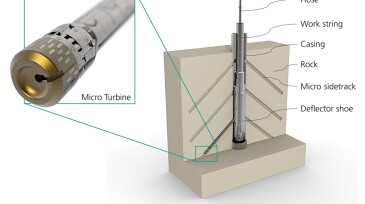
A field test study examines micro turbine drilling in a clay formation that allows steel casing and formation to be drilled in a single operation.
-
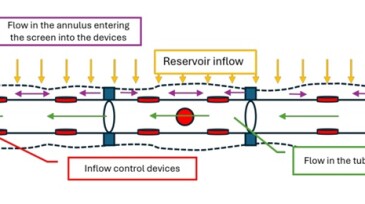
This paper compares various drainage strategies and well completion configurations on the installation of inflow control technology by considering energy efficiency.
-
This paper presents the development of a digital tool for automatically analyzing the readiness of a borehole to accept casing. The tool integrates data-driven and physics-based models to indicate locations of risk along the wellbore.

Page 1 of 7