Testing page for app
-
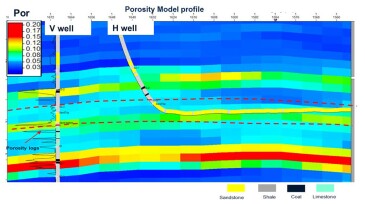
 The authors of this paper describe a solution using machine-learning techniques to predict sandstone distribution and, to some extent, automate the process of optimizing well placement.
 -
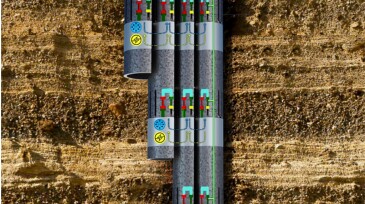
This paper presents an intelligent tube solution that combines data retrieved by the sensors with the actual resistance of each pipe in the well to allow adjustment of production parameters while ensuring installation safety.
-
This paper introduces a method using a Bayesian network to aggregate trends detected in time-series data with events identified by natural language processing to improve the accuracy and robustness of kick and lost-circulation detection.
-
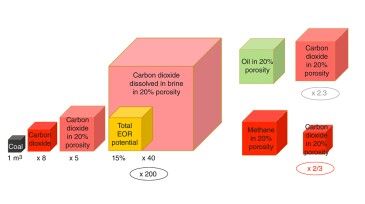
This study catalogs global gas/oil ratio data to identify currently produced light crude oils that could be rendered carbon neutral through the direct-air-capture mechanism.
-
A new program offers an affordable way to figure out if salt precipitation could be behind underperforming gas wells and suggests a path to higher production.
-
Corrosion is a pervasive issue that affects oil and gas production. It poses a significant threat to the safety and integrity of oil and gas equipment, and it can lead to costly repairs and downtime. Mitigating corrosion is a crucial part of maintaining the productivity and safety of oil and gas operations.
-
Artificial intelligence (AI) and machine learning (ML) technologies have rapidly progressed and have significantly affected traditional reservoir engineering, bringing innovative methodologies to reservoir simulations. However, it is essential to understand that these AI and ML technologies are only as effective and trustworthy as the data they are trained on.
-
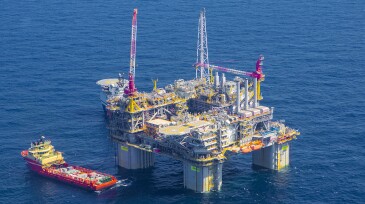
The supermajor redefined its Mad Dog II development in three key ways: a blank-sheet redesign to cut costs, altering the way it works as a result of the COVID-19 pandemic, and a digital twin offering unique access to the asset from anywhere in the world.
-
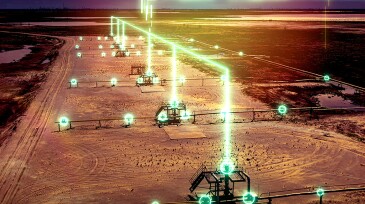
Leading energy technology companies unite to unlock efficiencies and increase reserve recoveries using digital advances.
-
This paper describes a work flow that integrates data analysis, machine learning, and artificial intelligence to unlock the potential of large relative permeability databases.