Testing page for app
-
 As the SPE 2018 President, I set a goal to revisit the SPE strategic plan, which was last updated in 2013.
-
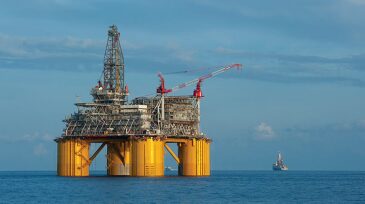
Falling costs and breakeven prices, increased operational efficiencies, and favorable government policy are at the heart of a potential short-term boon in Gulf of Mexico production.
-
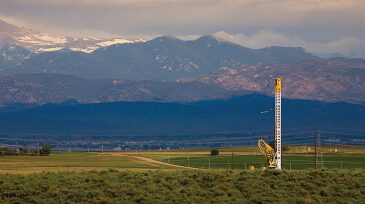
Colorado’s industry lacks the size, variety, and Wild West characteristics of Texas, but that is precisely why the Centennial State’s oil production is surging to record levels.
-
A small group of engineers are turning a geeky focus on how to better control the flow of fluids through the holes shot in the casing to increase the number of spots stimulated, and ultimately production.
-
A new holistic approach to optimizing wellbore economics is bridging the gap between planning and execution and bringing well construction into the digital era to improve data use, enhance collaboration, boost efficiency, and increase safety.
-
The goal of cognitive computing is not to eliminate humans but allow highly skilled professionals to spend time doing what’s most valuable for the company.
-
Currently, the state of the art for subsea well control is based on hydraulic technology. Hydraulic fluid is supplied from a host facility to the subsea wells through dedicated tubes within an umbilical and is distributed to the wells.
-
Since the first intelligent completion was installed 20 years ago, the systems have become increasingly complex in order to reach productivity and optimization goals, allowing real-time independent monitoring and management of each zone in the well.
-
This paper describes an extended-well-test campaign using intelligent completions in a presalt reservoir. To understand reservoir behavior during production better, several options were analyzed for the first extended well test.
-
The decision to launch the Offshore Technology Conference in May 1969 was visionary, but the subsequent success of the yearly conference has exceeded the wildest dreams of the original sponsors.