Testing page for app
-
 This paper describes an approach that combines rock typing and machine-learning neural-network techniques to predict the permeability of heterogeneous carbonate formations accurately.
 -
This study describes the performance of machine-learning models generated by the self-organizing-map technique to predict electrical rock properties in the Saman field in northern Colombia.
-
This paper outlines the importance of numerical rate transient analysis for dry gas wells, describing a simple, fully penetrating planar fracture model.
-
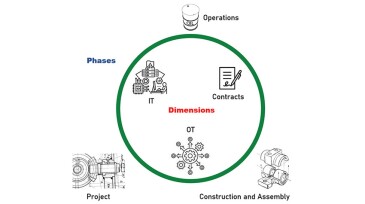
This paper presents an integrated view of three key areas of knowledge that typically are addressed individually—cybersecurity, process safety, and human factors—from the perspective of cybersecurity.
-
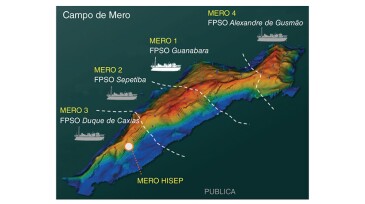
The paper details subsea system development for the Mero field and how operation of Mero’s early production system influenced the final configuration for all Mero projects.
-
This section lists with regret SPE members who recently passed away.
-
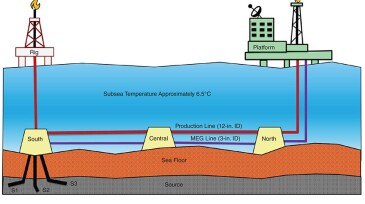
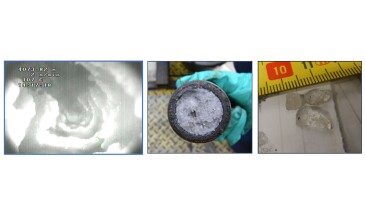
This work chronicles a series of operational activities in hydrate-blockage detection, modeling assessment, and safe and successful plug-remediation efforts in a Norwegian gas condensate subsea asset.
-
This paper describes a solution for downhole salt precipitation involving the installation of velocity strings.
-
The papers presented here highlight uncertainties and challenges incurred during the production of natural gas and the application of innovative technologies and advancement in digitalization capabilities to ensure sustainable production.
-
The integration of AI within the oil and gas industry is rapidly gaining momentum. With ongoing advancements, the future of formation evaluation promises transformative changes, leading to more-efficient and accurate reservoir characterization methodologies.