Hydraulic Fracturing Content Feed
-
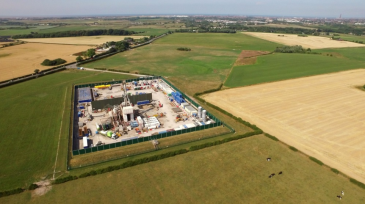
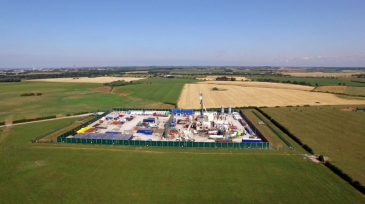
 Cuadrilla has encountered its first bumps in the road while fracturing its Preston New Road shale gas well, with two quakes already temporarily halting injection operations.
 -
When it came to decide where to collect a critical sample of fractured rock, a new method for turning microseismic data into a heat map designed to display the most intense fracturing activity was considered.
-
Cuadrilla Resources will test the two wells over the next 6 months to determine how much gas it can initially recover from the Bowland Shale.
-
There is no single reason that they all exist—and bringing them all on line will face challenges.
-
This article explores what is known and not known about the environmental risks of hydraulic fracturing with the intent of fostering informed discussions within the geoscience community on the topic of hydraulic fracturing.
-
The pressure pumping giant turns to algorithms to get better fractures and fewer problems.
-
Operators are working with a young startup company to overhaul how the unconventional sector has traditionally interpreted one the most common tests used to influence well completion designs.
-
Hydraulic fracturing is now a little bit easier for US shale operators thanks to readily available horsepower and in-basin sand.
-
Well-interference issues can be hard to diagnose, but this startup may be figuring that out. The data-driven process it developed can also help operators come up with more effective ways to use diverters.
-
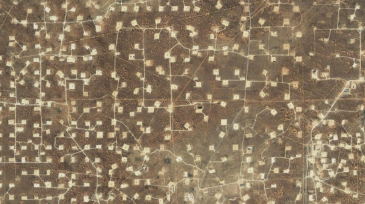
The rise of cube developments in the Permian Basin has introduced a new way of thinking for some of the region’s biggest players.