

Latest News
-
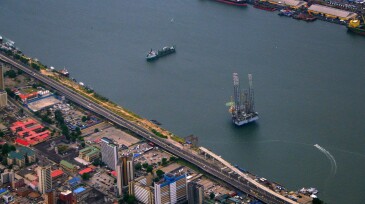
 Achieving Safety at Sea—The Safety Programs of the Nigerian Upstream Petroleum Regulatory CommissionThe aim of this paper is to discuss the various safety programs adopted by the Nigerian Upstream Petroleum Regulatory Commission to reduce accidents in swamp and offshore areas, in which the bulk of the oil and gas operations occur.
 -
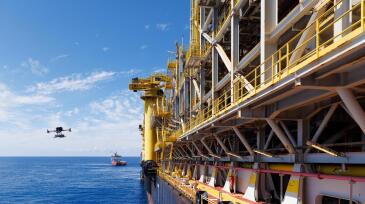
The French company inked agreements at COP28 to share its newly developed CO2 and methane detection platform with NOCs in Brazil, Angola, and Azerbaijan.
-
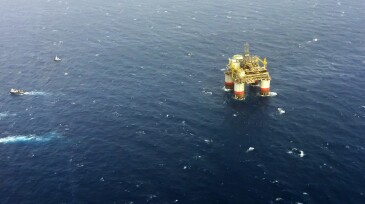
With funding from the National Academies of Sciences, Engineering, and Medicine, the Argonne National Laboratory will explore using a method known for analyzing nuclear systems to enhance safety in offshore oil and gas operations in the Gulf of Mexico.
-
The current report presents data reported by 30 IOGP member companies for 2022.
-
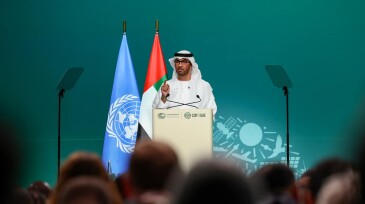
Chief Sultan Al Jaber told attendees in Dubai that declarations have been made on topics ranging from food to heavy emissions.
-
Few oil and gas companies give data science projects the better part of a decade to prove out, but that’s just what this one did.
-
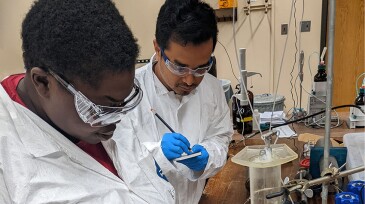
A survey of SPE members associated with a university, or their job/role to be faculty, collected information about the effect of the energy transition on recruiting students, strategic directions in academic programs, and maintaining a relevant curriculum for future careers.
-
More Students Going Into Petroleum Engineering Programs as Research Work Tilts to Alternative EnergyMore freshmen are enrolling in petroleum engineering, drawn by strong demand for graduates.
-
In this episode and transcript, Terry Palisch is joined by Simeon Eburi, an SPE Regional Director of North America, to discuss connecting members to technology and each other, and the importance of local sections. This transcript is an excerpt from the podcast episode.
-
One is on Earth, and one is not. But the knowledge transfer between the oil patch and off-world has fueled meaningful technological advances for all involved.
-
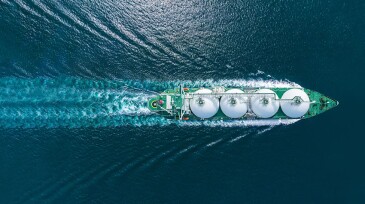
Players are making big bets in the thriving yet fragile global LNG market with record global trade expected to grow another 25% in the next 5 years.
-
This paper describes a method to manage high-salinity produced water in an environmentally sustainable way by extracting potable water and reducing discharge water volume by at least 50%.





Explore Content by Discipline
Trending Content




Get JPT articles in your LinkedIn feed and stay current with oil and gas news and technology.