

Monthly Features
-
 This case study outlines a full-scale testing program focused on the behavior of thermal casing connections subjected to severe bending and low-cycle fatigue loading.
 -
 Oil prices are high, but spending has not caught up—yet. Meanwhile, exploration strategies are changing around the world toward a lower-risk model, and the frenzied pace of US M&A has very much cooled off.
 -
 With millions of wells having been drilled in the US since the beginning of the oil age, the land is pocked with old, unused wellbores. For most, repurposing is a pipe dream. Plugging is the best option.
 -
 Disposal wells remain the lowest-cost solution for produced water, but concerns over seismicity and long-term sustainability are accelerating interest in alternatives.
 -
 This case study from Malaysia’s Petronas outlines a comprehensive review of perforation-charge testing across various tubular and reservoir conditions to help improve production from complex downhole scenarios.
 -
 This case study presents the first field deployment of acoustic fracturing analysis to evaluate perforation efficiency and implement real-time interventions during pressure pumping.
-
 Seizing on historic margins in domestic prices, North American oil and gas companies are increasing their efforts to use more natural gas and less diesel fuel to power their field operations.
 -
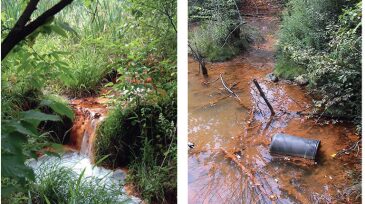
Polluted streams in Pennsylvania could provide a source of water for hydraulic fracturing and help prove a new way to clean up waterways contaminated by coal mine waste.
-
Two large proppant makers have rolled out a new class of ultraheavy proppant built to stand up to the extreme stresses found on the frontiers of deepwater exploration.
-
Early in its development, the Cline shale was hyped as the next Eagle Ford or Bakken with more oil and gas than they have combined.
-
Petroleum industry professionals reported an average total compensation of USD 203,557 in 2013, similar to the level reported in the 2011 salary survey, after showing a larger percentage increase in 2012.
-
Mitchell's legacy proving up the Barnett shale established him as the "Father of the Shale Gas Revolution."
-
Alternative approaches and new deployment strategies are being developed to manage water used for fracturing oil and gas wells.
-
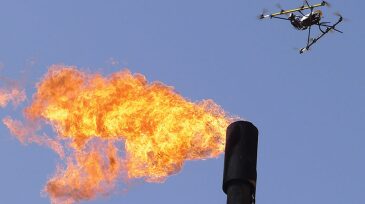
Unmanned aircraft are finding their place in the oil and gas industry by providing aerial geologic modeling to address reservoir-related challenges and making inspections safer.
-
Oil-rich but gas-short countries in the Middle East-north Africa region are exploring unconventional resources, particularly for shale and tight gas, and assessing their potential for long-term growth.
-
Oxane Materials' advanced cerammic proppant travels farther during fracturing in larger quantities, thereby leading to smoother, higher flows of oil and gas.







Explore Content by Discipline
Stay Ahead With JPT Newsletters
JPT Newsletter (Weekly).
Essential global industry news, technology developments, and market trends delivered to your inbox.
JPT Unconventional Insights (Monthly).
Global perspectives and expert analysis on shale, tight oil, and emerging unconventional plays.
Get JPT articles in your LinkedIn feed and stay current with oil and gas news and technology.