

Monthly Features
-
 Drilling experts recently shared candid views on what will be required for their segment of the upstream business to move to the next stage of development.
 -
 EQT is benchmarking its way to basin-leading productivity and relying on partnerships and new technology to turn KPIs into operational reality.
 -
 This case study from Italian technology developer Sentris highlights the effectiveness of using sensors during pigging operations to optimize cleaning efficiency.
 -
 Experts and industry leaders gathered in The Woodlands, Texas, recently to sift through the challenges of carbon capture, utilization, and storage. The puzzle is coming together, but some critical pieces are still needed before the results look like the picture on the box.
 -
 Improved bit and bottomhole-assembly technologies and designs have helped turn what used to be record-breaking drilling runs into routine expectations.
 -
 The newest recipient of the title SPE Legend of Hydraulic Fracturing talks about his career, the evolution of fracture stimulation, the development of increasingly useful simulators, and the future of the oil and gas industry. The honor was given at the 2026 SPE Hydraulic Fracturing Technology Conference and Exhibition.
-
 Cyberattacks are an increasing threat globally to businesses and organizations, very much including the oil and gas industry, with operating activity of all kinds exposed as well as information technology networks.
 -
Early field tests suggest chemical treatments may be able to significantly increase production from unconventional formations.
-
A look at how policy, future workforce perception, and industry standards will shape energy companies in the near and distant future.
-
Fracturing reservoirs effectively can be like boxing. Moving in close enough to land a powerful punch often means a fighter has to take some hits. To effectively develop all the productive rock in a lease, new wells are drilled as close as possible to older ones, making frac hits inevitable.
-
After a drop in drilling activity in recent years, the Haynesville shale has become a hot area for natural gas production in the US, and companies are looking to bolster their positions in the area.
-
The effect of frac hits on production economics is becoming more important as a result of the high-speed drilling in the US shale sector. Recent research reveals the financial and recovery risks involved if well spacing results in well-to-well interference.
-
When fracturing slowed last year in the Marcellus, companies holding produced water they did not need for fracturing paid other operators to take it. It provided a cheap source of fracturing water then, and in the future, water trading could reduce the high cost of shipping water.
-
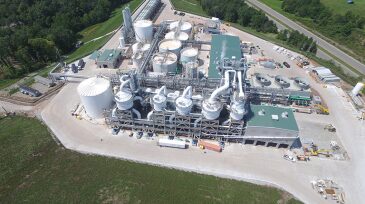
Antero Resources has built a huge plant to turn waste water into fresh water and salt for sale. The $275-million investment in West Virginia is the most tangible indication of how operators in the Marcellus are pushing water reuse.
-
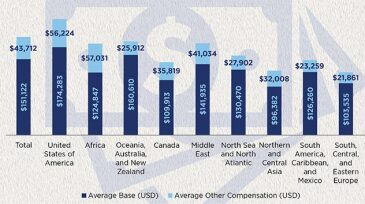
Petroleum salaries are showing increases again after 2 years of decline.
-
One tech company is using a unique approach to building custom apps for the oil and gas business.




Explore Content by Discipline
Power Up With JPT Newsletters
JPT Newsletter (Weekly).
All the top stories, trends, and tech.
JPT Unconventional Insights (Monthly).
Fresh takes on shale and tight oil.
Get JPT articles in your LinkedIn feed and stay current with oil and gas news and technology.