

Monthly Features
-
 Oil prices are high, but spending has not caught up—yet. Meanwhile, exploration strategies are changing around the world toward a lower-risk model, and the frenzied pace of US M&A has very much cooled off.
 -
 This case study outlines a full-scale testing program focused on the behavior of thermal casing connections subjected to severe bending and low-cycle fatigue loading.
 -
 With millions of wells having been drilled in the US since the beginning of the oil age, the land is pocked with old, unused wellbores. For most, repurposing is a pipe dream. Plugging is the best option.
 -
 Disposal wells remain the lowest-cost solution for produced water, but concerns over seismicity and long-term sustainability are accelerating interest in alternatives.
 -
 As managed pressure drilling gains traction, its principles are influencing a wider range of well-construction activities.
 -
 From AI-enabled walking rigs to subsea drones and autonomous inspection robots, robotics is rapidly moving from pilot projects to field deployment. The technology promises not only greater efficiency but also a fundamental shift in how the industry approaches safety and asset management.
-
 This case study outlines a methodology to optimize and control hydraulic fracturing parameters by achieving 100% cluster efficiency and overcoming formation leak-off.
 -
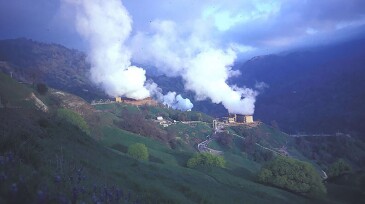
What we’ve learned about faster drilling in oil and gas applied just as well to geothermal development—until we reached The Geysers.
-
Technology uptake aimed at optimizing resources, delivering consistency, and augmenting what humans can do.
-
Straddling Europe and Asia, the Black Sea is emerging as a frontier for deepwater gas exploration and production as Romania and Turkey drive projects complicated by subsea hazards found nowhere else on earth.
-
Shale Ingenuity’s first pilot used common natural gas liquids to boost daily output 30-fold from a low-producing horizontal well in Texas.
-
Maximizing profits in geothermal energy may require the flexibility to adjust output as electricity prices fluctuate. Battery storage can ensure power is available when prices peak.
-
New and evolving artificial lift technology is helping operators improve production rates.
-
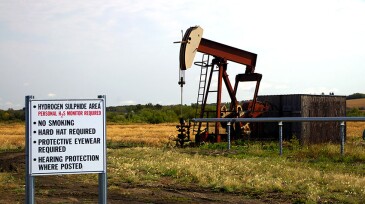
The Energy & Environmental Research Center in North Dakota outlines the difficulty that the oil and gas industry faces in pinpointing sources of H2S production.
-
Over the past 75 years, drillers have gone from the Stone Age to the Space Age when it comes to technological improvements in well construction methods. Yesterday’s crude wood and iron drilling techniques have given way to today’s video game-inspired controls and robotic assistance—much of which migrated from offshore applications. These advancements have driven costs…
-
Each year during its Annual Technical Conference and Exhibition (ATCE), SPE honors members whose outstanding contributions to SPE and the petroleum industry merit special distinction. Recipients will be recognized at the Annual Awards Banquet on Tuesday, 24 September.




Explore Content by Discipline
Stay Ahead With JPT Newsletters
JPT Newsletter (Weekly).
Essential global industry news, technology developments, and market trends delivered to your inbox.
JPT Unconventional Insights (Monthly).
Global perspectives and expert analysis on shale, tight oil, and emerging unconventional plays.
Get JPT articles in your LinkedIn feed and stay current with oil and gas news and technology.