

Monthly Features
-
 Oil prices are high, but spending has not caught up—yet. Meanwhile, exploration strategies are changing around the world toward a lower-risk model, and the frenzied pace of US M&A has very much cooled off.
 -
 This case study outlines a full-scale testing program focused on the behavior of thermal casing connections subjected to severe bending and low-cycle fatigue loading.
 -
 With millions of wells having been drilled in the US since the beginning of the oil age, the land is pocked with old, unused wellbores. For most, repurposing is a pipe dream. Plugging is the best option.
 -
 Disposal wells remain the lowest-cost solution for produced water, but concerns over seismicity and long-term sustainability are accelerating interest in alternatives.
 -
 This case study from Malaysia’s Petronas outlines a comprehensive review of perforation-charge testing across various tubular and reservoir conditions to help improve production from complex downhole scenarios.
 -
 This case study presents the first field deployment of acoustic fracturing analysis to evaluate perforation efficiency and implement real-time interventions during pressure pumping.
-
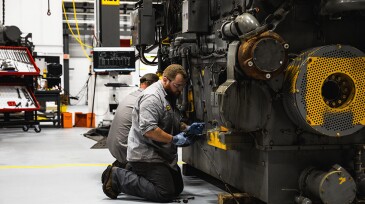
 To choose the right technologies for a gas-compression package, it’s critical for operators to have a clear understanding of their business and greenhouse‑gas emissions-related goals. Operators also need clarity concerning the impact of evolving requirements on total cost of ownership as well as potential financial ramifications.
 -
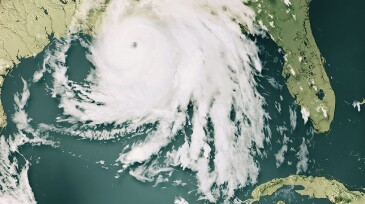
Hurricane prognosticators continue to believe the 2024 Atlantic storm season will be more active than normal, even after a somewhat slow start. In any case, the oil field is ready.
-
One hydraulic fracturing job can stimulate two wells, but economic success hinges on doing it in the right place for the right price.
-
The energy industry faces a shortage of skilled professionals, and high salaries aren’t enough to attract new talent. We need to show how careers in this field offer meaning and stability, with transferable skills across energy sectors.
-
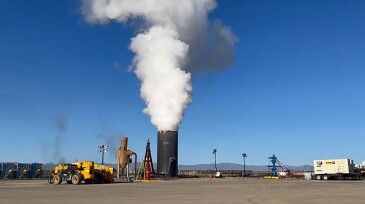
Fervo Energy proved fracturing can harvest geothermal energy and is now rapidly learning to build a utility-scale power plant.
-
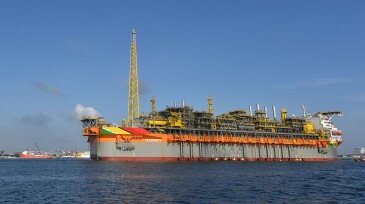
Since the late 1930s, the offshore industry has advanced from the first platform in 14 ft of water to the ultradeepwater 20K era. Driven by seismic, drilling, and development breakthroughs, the industry has pushed into deeper waters, high-pressure reservoirs, and new frontiers like Guyana, continually expanding the limits of offshore exploration.
-
The Earth has huge capacity to store carbon dioxide emitted from energy production. This article discusses the technology of carbon capture, utilization, and storage (CCUS) and its challenges.
-
A special Legends of Artificial Lift Luncheon on 20 August at the SPE Artificial Lift Conference and Exhibition celebrated six individuals for their outstanding contributions to the technical knowledge in this field: Ali Hernandez, Louis Ray, Francisco Alhanati, James Hall, Lawrence Camilleri, and Toby Pugh.
-
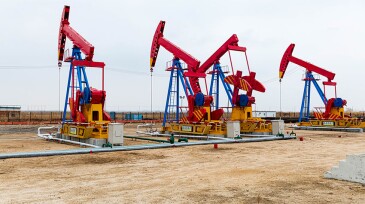
The new frontier of production improvement combines surveillance techniques and analysis to determine which variables boost output.
-
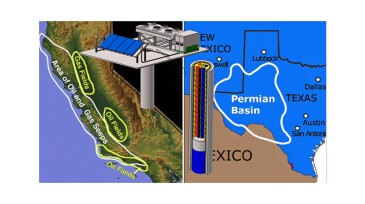
Geo2Watts is transforming abandoned oil and gas wells into renewable energy assets using solar power and sand. In this exclusive Q&A, co-founders Phil Cruver, Bill Bartling, and Ken Murray share their vision and the innovative technology behind their “borehole battery.”

Explore Content by Discipline
Stay Ahead With JPT Newsletters
JPT Newsletter (Weekly).
Essential global industry news, technology developments, and market trends delivered to your inbox.
JPT Unconventional Insights (Monthly).
Global perspectives and expert analysis on shale, tight oil, and emerging unconventional plays.
Get JPT articles in your LinkedIn feed and stay current with oil and gas news and technology.