

Monthly Features
-
 Oil prices are high, but spending has not caught up—yet. Meanwhile, exploration strategies are changing around the world toward a lower-risk model, and the frenzied pace of US M&A has very much cooled off.
 -
 This case study outlines a full-scale testing program focused on the behavior of thermal casing connections subjected to severe bending and low-cycle fatigue loading.
 -
 With millions of wells having been drilled in the US since the beginning of the oil age, the land is pocked with old, unused wellbores. For most, repurposing is a pipe dream. Plugging is the best option.
 -
 Disposal wells remain the lowest-cost solution for produced water, but concerns over seismicity and long-term sustainability are accelerating interest in alternatives.
 -
 As managed pressure drilling gains traction, its principles are influencing a wider range of well-construction activities.
 -
 This case study presents the first field deployment of acoustic fracturing analysis to evaluate perforation efficiency and implement real-time interventions during pressure pumping.
-
 The KRI has become a significant player in the oil and gas industry. The authors use production data from key fields to explore the factors influencing both individual fields and overall production. An overview of the challenges and milestones in the region’s oil and gas sector from 2014 to 2023 enhances understanding of its evolution, current status, and future oppor…
 -
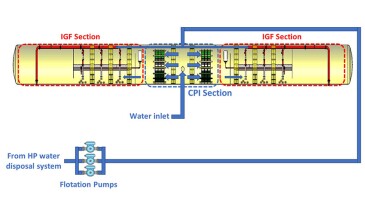
The retrofit merged enhanced gravity separation with induced gas flotation within the same vessel. Detailed insights into the design, operation, and performance of hybrid flotation systems are provided, offering valuable guidance for similar initiatives in the petroleum industry.
-
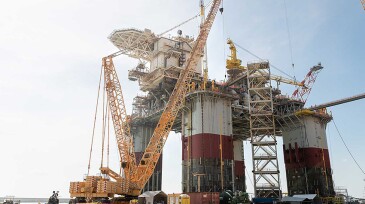
Chevron recently revealed new details about its first-of-a-kind deepwater development in the Gulf of Mexico. We’ve picked some of the most interesting to share with you here.
-
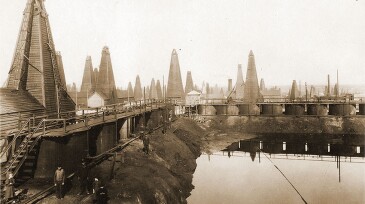
As Azerbaijan prepares to host COP29, JPT looks back at how the country prospered for millennia on its largess of oil and gas and its unique geography along the ancient Silk Road that today is traversed by pipelines delivering gas and oil to Europe from the depths of the Caspian Sea.
-
Digital transformation presents a crucial opportunity to cut costs across business domains. This review explores unique digital transformation opportunities in the petroleum industry, highlighting valuable business process automations that can drive significant benefits.
-
Both new and old vessels are benefiting from automation processes that can improve operational efficiency, predict downtime, and debottleneck workflows using a flurry of crucial data points.
-
The honor recognizes recipients for their lasting and significant contributions in the field of IOR.
-
The exploration and extraction of hydrocarbons from tight or shale formations have revolutionized the global energy landscape, unlocking vast oil and gas reserves previously considered inaccessible. This article intends to explore the complexities of hydrocarbon extraction from tight and shale reservoirs.
-
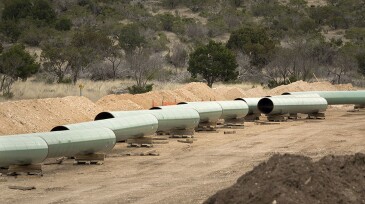
Rising natural gas production plus not enough takeaway capacity equals one big headache for west Texas producers
-
The SPE Drilling and Wells Interoperability Standards group proposes a dual-path strategy to overcome the technical and commercial barriers facing the advancement of drilling automation.





Explore Content by Discipline
Stay Ahead With JPT Newsletters
JPT Newsletter (Weekly).
Essential global industry news, technology developments, and market trends delivered to your inbox.
JPT Unconventional Insights (Monthly).
Global perspectives and expert analysis on shale, tight oil, and emerging unconventional plays.
Get JPT articles in your LinkedIn feed and stay current with oil and gas news and technology.