

Monthly Features
-
 Oil prices are high, but spending has not caught up—yet. Meanwhile, exploration strategies are changing around the world toward a lower-risk model, and the frenzied pace of US M&A has very much cooled off.
 -
 This case study outlines a full-scale testing program focused on the behavior of thermal casing connections subjected to severe bending and low-cycle fatigue loading.
 -
 With millions of wells having been drilled in the US since the beginning of the oil age, the land is pocked with old, unused wellbores. For most, repurposing is a pipe dream. Plugging is the best option.
 -
 Disposal wells remain the lowest-cost solution for produced water, but concerns over seismicity and long-term sustainability are accelerating interest in alternatives.
 -
 As managed pressure drilling gains traction, its principles are influencing a wider range of well-construction activities.
 -
 This case study presents the first field deployment of acoustic fracturing analysis to evaluate perforation efficiency and implement real-time interventions during pressure pumping.
-
 Early adopters of large language models praise the technology’s promise to advance upstream research and software development while also offering cautionary notes.
 -
Executives from BKV Corp. share why the mid-sized natural gas producer is diving headfirst into carbon sequestration projects and why you should too.
-
The topics covered in JPT’s Technology Focus feature span the breadth of the upstream industry. A review of these topics over the years illustrates the changes that have affected E&P professionals.
-
Chevron has some new ideas on how to get more oil for less cost out of shale wells in their early years.
-
Longtime JPT Technology Editor Dennis Denney discusses his career at SPE and the development of the magazine’s Technology Focus feature.
-
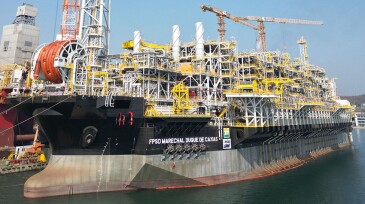
The Libra Consortium, led by Brazil’s Petrobras, has developed a method of separating carbon dioxide from reservoir fluids at the seafloor rather than the FPSO topsides.
-
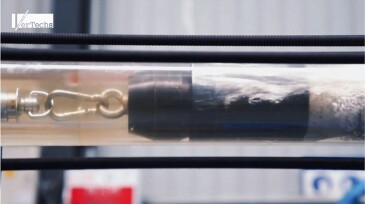
Casing deformations are common in the south-west shale regions of China and the Middle East, where the widespread use of 5.5-in., 26- and 26.8-lb/ft casing is the norm. In these regions, the majority of frac plugs are designed with an outer diameter (OD) of 4.055 in. or slightly larger, which frequently encounter restrictions resulting in the loss of bottomhole assemb…
-
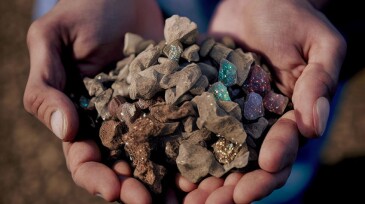
The increasing demand for critical minerals—the building blocks of an electrified future—is creating opportunities for the oil and gas industry to apply its extensive knowledge, tools, and data to help meet the demand.
-
Find out what made the list of big technology breakthroughs that have shaped the oil and gas industry over the past quarter century.
-
Highlights of innovations in fracturing, drilling, and reservoir engineering include mysterious gummy bears, horseshoe-shaped wells, and automated rigs.






Explore Content by Discipline
Stay Ahead With JPT Newsletters
JPT Newsletter (Weekly).
Essential global industry news, technology developments, and market trends delivered to your inbox.
JPT Unconventional Insights (Monthly).
Global perspectives and expert analysis on shale, tight oil, and emerging unconventional plays.
Get JPT articles in your LinkedIn feed and stay current with oil and gas news and technology.