

Monthly Features
-
 Oil prices are high, but spending has not caught up—yet. Meanwhile, exploration strategies are changing around the world toward a lower-risk model, and the frenzied pace of US M&A has very much cooled off.
 -
 This case study outlines a full-scale testing program focused on the behavior of thermal casing connections subjected to severe bending and low-cycle fatigue loading.
 -
 With millions of wells having been drilled in the US since the beginning of the oil age, the land is pocked with old, unused wellbores. For most, repurposing is a pipe dream. Plugging is the best option.
 -
 Disposal wells remain the lowest-cost solution for produced water, but concerns over seismicity and long-term sustainability are accelerating interest in alternatives.
 -
 This case study from Malaysia’s Petronas outlines a comprehensive review of perforation-charge testing across various tubular and reservoir conditions to help improve production from complex downhole scenarios.
 -
 This case study presents the first field deployment of acoustic fracturing analysis to evaluate perforation efficiency and implement real-time interventions during pressure pumping.
-
 Casing deformation has emerged as a major challenge in China’s unconventional oil and gas fields, prompting the development of new solutions to address the issue.
 -
The US supermajor is using one of its lowest-value hydrocarbon products to generate double-digit production increases in its most prolific US asset.
-
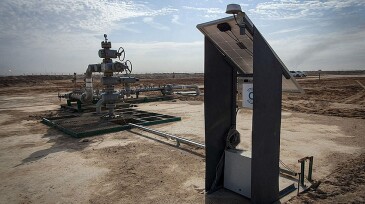
The use of real-time wireless downhole pressure gauges proved a valuable alternative to workover operations in two onshore fields in Iraq.
-
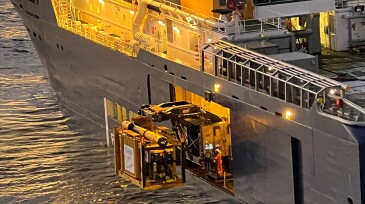
With the right infrastructure and interoperability, subsea resident robotics could unlock more frequent, cost-effective inspections—and a new standard for offshore efficiency.
-
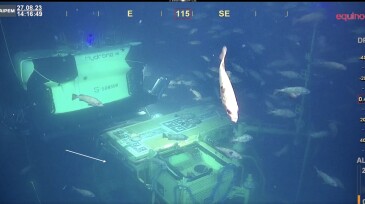
Emerging solutions could solve current subsea pain points, while a new taxonomy system could clarify the capabilities of the expanding domain of underwater vehicles.
-
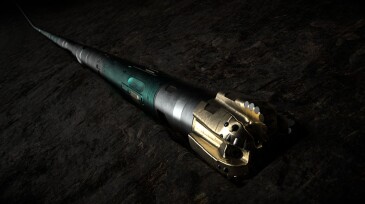
Bad vibes are being addressed by contractors as operators push to go faster, deeper, and longer with unconventional wells.
-
A New Texas Two-Step: Why One Eagle Ford Producer Is Using Hydrocarbons for Well Stimulation and EORBlackBrush Oil & Gas tells JPT about its use of natural gas liquids and condensate to increase oil recovery in horizontal shale wells.
-
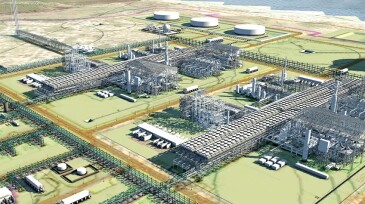
As LNG projects sanctioned earlier this decade come onstream, a shortage of new final and pre-final investment decisions threatens to leave the project pipelines dry at a time when global LNG demand is forecast to surge over the next 15 years.
-
Successful in other applications, self-healing coatings could be the oil industry’s ticket to fighting corrosion and extending the life of steel.
-
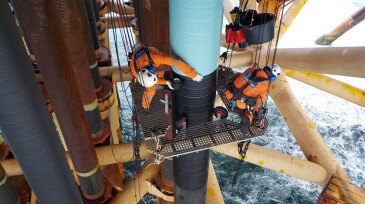
Shell became the first international company to operate producing fields offshore Brazil and the first to navigate the country’s complex and detailed decommissioning permitting process, which involved extensive environmental assessments, regulatory approvals, and coordinated stakeholder engagement.




Explore Content by Discipline
Stay Ahead With JPT Newsletters
JPT Newsletter (Weekly).
Essential global industry news, technology developments, and market trends delivered to your inbox.
JPT Unconventional Insights (Monthly).
Global perspectives and expert analysis on shale, tight oil, and emerging unconventional plays.
Get JPT articles in your LinkedIn feed and stay current with oil and gas news and technology.