

Monthly Features
-
 Oil prices are high, but spending has not caught up—yet. Meanwhile, exploration strategies are changing around the world toward a lower-risk model, and the frenzied pace of US M&A has very much cooled off.
 -
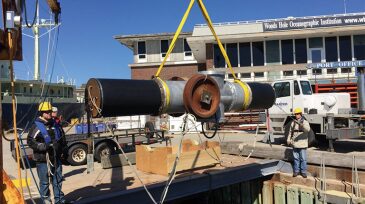
 This case study outlines a full-scale testing program focused on the behavior of thermal casing connections subjected to severe bending and low-cycle fatigue loading.
 -
 With millions of wells having been drilled in the US since the beginning of the oil age, the land is pocked with old, unused wellbores. For most, repurposing is a pipe dream. Plugging is the best option.
 -
 Disposal wells remain the lowest-cost solution for produced water, but concerns over seismicity and long-term sustainability are accelerating interest in alternatives.
 -
 As managed pressure drilling gains traction, its principles are influencing a wider range of well-construction activities.
 -
 This case study presents the first field deployment of acoustic fracturing analysis to evaluate perforation efficiency and implement real-time interventions during pressure pumping.
-
 Developers of the latest generation of unconventional hydraulic fracturing models are hoping that current weak oil and gas prices will generate newfound interest in their software technology.
 -
Speakers at the recent SPE Asia Pacific Unconventional Resources Conference and Exhibition addressed the role of uncertainty and risk in sanctioning megaprojects.
-
Seismic innovators are working on new sound sources designed to produce better subsurface images while addressing concerns raised by scientists and regulators about the environmental impact of the related noise on sea life.
-
The Caspian Sea region is once again becoming one of the globe’s important frontiers in oil and gas production. Azerbaijan, Kazakhstan, and Turkmenistan are in the midst of intensive efforts to underpin their developing economies by increased exploitation of massive reserves.
-
Concerned about the long-term impact of the current oil recession, SPE’s seven technical directors give their outlook for the coming year.
-
The standard for progress in shale development has been the drastic reduction in the number of days needed to drill a well, from more than 20 to less than 5 in some unconventional plays. But some question whether it has become a misleading metric for an industry needing more productive wells.
-
The only wells that are straight or follow a smooth curve are in the pictures in well plans. Real wellbores are shaped by the mechanics of directional drilling tools, the skills and attention of drillers, the force of gravity, and the path followed by hydrocarbon-rich seams of rock.
-
Rising demand for flowback technologies to reduce uncertainties is leading to the creation of more hydrocarbon and water tracers. These chemical-based tracers may play an important role in the shale industry’s effort to come up with more cost-effective fracture designs.
-
An area of great interest to those researching flowback is the interaction of water and salt inside the shale reservoir. After a well is stimulated, the flowback fluids tend to show a rising concentration of salt that falls back to near zero over time.
-
On the far end of the flowback spectrum is a completion process called soakback. If the well has to be shut in until takeaway capacity is available, the completion fluids soak into the shale rock. Flowback analysis can help understand what happens in the formation.




Explore Content by Discipline
Stay Ahead With JPT Newsletters
JPT Newsletter (Weekly).
Essential global industry news, technology developments, and market trends delivered to your inbox.
JPT Unconventional Insights (Monthly).
Global perspectives and expert analysis on shale, tight oil, and emerging unconventional plays.
Get JPT articles in your LinkedIn feed and stay current with oil and gas news and technology.