blowout preventer
-
 Teaser: This paper is intended to provide considerations for operators in developing campaigns to frame scope of work for subsea-blowout-preventer and rig-contracting strategy.
 -
The paper describes the iterative process of development of a novel shear blade able to cut high-strength coiled tubing with 50% of the normal shear force.
-
In 2013, a technology-development project began that digitized, automated, and applied analytics to blowout preventer pressure testing. As a result of the deployment of automated BOP testing, significant improvements have been achieved in process safety, personal safety, and rig-time savings.
-
A lot about the blowout preventers used for offshore drilling has changed since Macondo in 2010, but the essentials remain. This evolution serves as a case study on why some oilfield technology is hard to change.
-
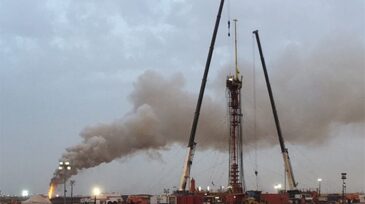
This paper describes the mobilization of a snubbing unit and blowout preventer (BOP) stack in the Middle East that enabled a well with an underground blowout and surface broaching to be brought under control within a short time.
-
The new well control rule is evidence that memories of the Macondo blowout remain a powerful force for caution. Despite the rhetoric on both sides of this hot-button issue suggesting big changes, the final changes were incremental.
-
The biggest drilling company appears interested in becoming the most innovative. It is testing inventions ranging from a blowout preventer that is not hydraulically powered to power systems designed like a hybrid car.
-
The Bureau of Safety and Environmental Enforcement says its final well-control rule removes unnecessary regulatory burdens to responsible offshore development while maintaining safety and environmental protection.
-
New long-term contracts between offshore drillers and equipment makers reduce downtime and risks associated with key components, from blowout preventers to risers.
-
Well control is built around huge steel machines, but the future of the business is digital. Data have become a critical asset as operators and service companies work to increase the safety and reliability of their products and operations.