

emissions
-
 This paper presents a flexible, highly cost- and energy-efficient method of gas separation and CO₂ capture from many different gas mixtures with a large range of CO₂ concentrations.
 -
This study explores the carbon-capture and mineralization potential of ultramafic rock powders when exposed to flue gases generated from combustion of crude oil and mesquite-derived charcoal.
-
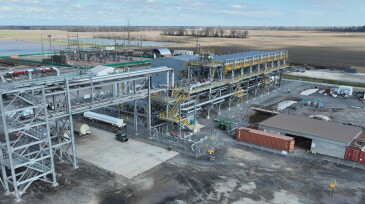
In line with its recently released Global Outlook, the major has begun storing carbon dioxide from Nucor’s iron facility in Convent, Louisiana.
-
Natural Resources Canada has awarded $4 million to Next Hydrogen and CERT Systems to advance clean hydrogen production and low-carbon sustainable aviation fuel technologies in the Greater Toronto Area.
-
Considering three different climate pathways, the analysis says holding global temperature rise to 2°C by the end of the century remains possible, though increasingly challenging.
-
The challenge is to ensure that changes to major accident hazards are properly managed, whether the changes occur by adapting conventional industry operations to lower carbon or by introducing innovative technologies.
-
This article from the SPE Robotics and Autonomous Systems Technical Section (RASTS) explores the insights shared at the recent Offshore Technology Conference (OTC) in Houston about autonomous systems and their role in the industry's future.
-
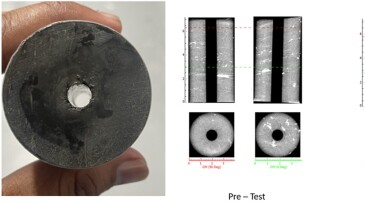
An investigative study examines the use of creeping shale formations as a more durable alternative to conventional cement barriers in carbon dioxide storage wells, potentially enabling safer long-term underground carbon storage.
-
The Oil and Gas Climate Initiative (OGCI) and nonprofit Carbon Mapper announced they are teaming up to launch a new collaboration aimed at accelerating practical and measurable reductions in methane emissions from the oil and gas industry.
-
Evolution Well Services will deploy electric pressure pumping units for Northeast Natural Energy, which operates in the Marcellus Shale.







Page 1 of 10