

greenhouse gases
-
 The oilfield service company said its emissions reductions are thanks in part to the increased use of renewable energy and operation efficiencies.
 -
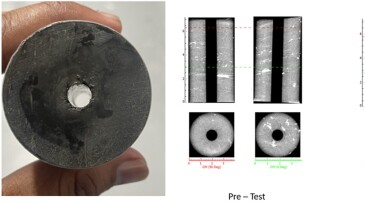
An investigative study examines the use of creeping shale formations as a more durable alternative to conventional cement barriers in carbon dioxide storage wells, potentially enabling safer long-term underground carbon storage.
-
This paper describes the operator’s initiative to reduce greenhouse-gas emissions and recover additional hydrocarbon, monetizing it as sales gas, by integrating upstream and downstream gas facilities in a unified approach.
-
This paper highlights the effects of tax credits on business operations for midstream companies in the Permian Basin.
-
This paper introduces a field-deployable, trailer-mounted liquefaction system engineered to convert flared or stranded gas into low-carbon liquefied natural gas.
-
The US Environmental Protection Agency withdraws its legal basis for federal vehicle GHG standards, setting up potential court challenges.
-
Monitoring on the ground is helping the industry shift from best estimates to hard data so it can bring the true emissions profile into focus.
-
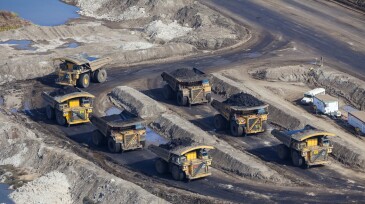
Absolute greenhouse-gas emissions from Canadian oil sands increased by less than 1% in 2024, even as production grew, according to an analysis by S&P Global Commodity Insights, which cited gains in efficiency for the trend.
-
The agency’s administrator said the program “does nothing to improve air quality.”
-
This paper serves as a comprehensive overview of greenhouse-gas emission source data visibility in oil and gas production operations.







Page 1 of 7