internet of things
-
 Oil and gas operators such as Shell and Oxy are now employing AI together with a vast network of sensors and other machine-learning software to stamp out problems before they happen.
 -
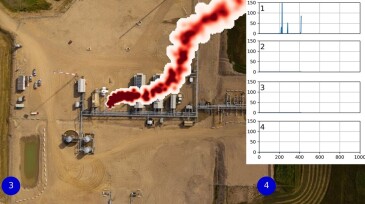
The authors of this paper describe a continuous monitoring system based on the Internet of Things (IoT) to use methane-concentration sensors permanently installed at facilities and connected to a cloud-based interpretation platform.
-
The Robotic Supervision System project is expected to bring autonomous cooperation a step closer for oil and gas operators.
-
This paper describes an approach implemented by the operator to solve research and development challenges by creating in-house infrastructure of both software and hardware.
-
GlobalData’s report "Robotics in Oil and Gas" notes that, while robotics has been a part of the oil and gas industry for several decades, growing digitalization and integration with artificial intelligence, cloud computing, and the Internet of Things have helped diversify robot use cases within the industry.
-
SponsoredWhy oil and gas companies can’t get the data they need for production optimization (and how to change that).
-
Hiber has announced a new service for oil and gas operators looking to upgrade their field assets through digital surveillance. The company’s new HiberHilo wired-to-wireless converter turns analog well and pipeline data into wireless signals.
-
The AIoT has the potential to transform industries and society, and it is already starting to have an impact. This article will explore the principles of AIoT, its benefits, and its current use.
-
SponsoredWell-monitoring technology gives oil companies the data and insights to boost production and derive maximum value from oil and gas wells.
-
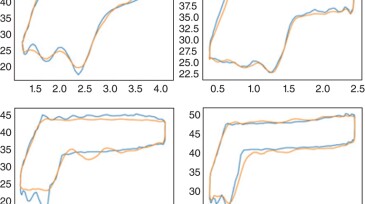
The authors write that the application of electrical parameters to diagnose working conditions and meter production of pumping wells is the key to the low-cost Internet-of-Things construction.