oil prices
-
 Oil demand is expected to rise just enough this year for a small increase in OPEC production.
 -
Nearly everything’s on the table as companies aim to shore up portfolios by curtailing investments and dumping low-priority assets.
-
On 20 April, a historic drop of oil prices occurred. WTI futures contract dove into negative territory for the first time ever.
-
The nuances of futures contracts caught many of the world’s traders off guard, sending major US crude benchmark into negative pricing territory for the first time. But it probably will not be the last time.
-
Shut-ins and planned production cuts have not affected crude prices, say industry experts.“It’s like trying to explain something that is unprecedented and seemingly unreal."
-
Not everybody suffers when US oil producers slash production. Among the beneficiaries could be US gas producers who will benefit because less oil production will mean a lot less gas on the US market.
-
Exploration commitments are expected to dwindle in the current market environment.
-
With oil prices at historic lows and with COVID-19 supply chain disruptions, the time has come to evaluate supply chain and procurement strategies, sourcing techniques, and costs.
-
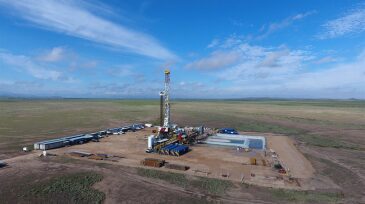
US shale operators are cutting deeper, with some eliminating drilling and completions activity altogether.
-
The prescribed treatment for market- and virus-induced oil price collapse is to quickly slow production growth. Two US shale companies moved swiftly to cut the pace of drilling and completions, but it is too soon to know if that will have any impact.