

QatarEnergy
-
 ExxonMobil and QatarEnergy’s MoU with Cairo to monetize Cyprus’ offshore Glaucus and Pegasus natural gas supports Egypt’s strategy to become the Eastern Mediterranean’s leading gas processing and LNG export hub.
 -
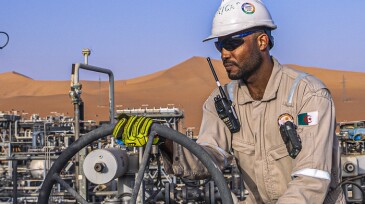
The country’s foreign investment bid comes as Sonatrach launches its largest capital expenditure outlay—$60 billion to be spent from 2026 to 2030.
-
War‑related infrastructure damage is beginning to influence global energy supply chains in ways that could reshape project development and capacity growth.
-
The Orange Basin and Gulf of Guinea will see most of the high-impact drilling activity planned this year in Africa.
-
Analysts weigh near‑term risks for Middle East oil and gas producers after a tentative 2‑week ceasefire between the US‑Israeli coalition and Iran.
-
War-related damage to oil and gas facilities is expected to disrupt global supply chains for years, as backlogs for critical equipment continue to grow, Rystad Energy reports.
-
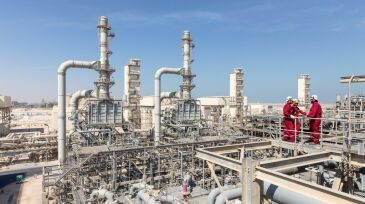
Missile attacks damage LNG trains and GTL assets, with QatarEnergy warning repairs could take years.
-
While physical damage to energy infrastructure has so far been limited, analysts caution that a prolonged conflict could drive prices higher even as OPEC+ proceeds with planned incremental supply increases.
-
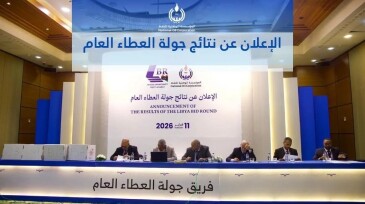
By opening new fields to exploration and development, Libya is poised to boost gas production to supply exports in meaningful volumes to Europe by early 2030.
-
The expansion project by QatarEnergy is expected to increase LNG production capacity to 142 mtpa when it goes online.





Page 1 of 5