

Qatar
-
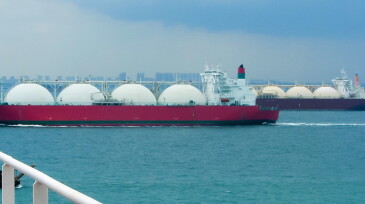
 Increased capacity from new terminals and expansions drove up exports of liquefied natural gas at the quickest rate since 2016.
 -
The Loran Phase 2 license award builds on BP’s growing presence in Venezuela as it seeks to develop offshore projects, particularly shared fields near Venezuela’s maritime border with Trinidad and Tobago.
-
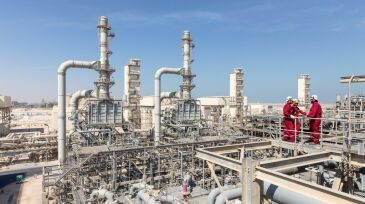
After a record year for LNG project approvals in 2025, multiyear repairs to war-damaged liquefaction facilities in Qatar and the UAE threaten to slow the growth of global LNG capacity.
-
Barzan plant explosion that killed 13 and injured 66 occurred 2 days after production was restarted following a scheduled shutdown in December for routine maintenance.
-
Analysis from Wood Mackenzie warns that a prolonged closure of the critical waterway would have lasting effects on the global economy and Middle East supply capacity.
-
Hydraulic fracturing holds great potential in the region, but there are several key questions worth asking as efforts move forward.
-
War‑related infrastructure damage is beginning to influence global energy supply chains in ways that could reshape project development and capacity growth.
-
War-related damage to oil and gas facilities is expected to disrupt global supply chains for years, as backlogs for critical equipment continue to grow, Rystad Energy reports.
-
Missile attacks damage LNG trains and GTL assets, with QatarEnergy warning repairs could take years.
-
Drone strikes, refinery shutdowns, tanker disruptions, and halted LNG production have heightened concerns about broader supply risks.



Page 1 of 5