

R&D
-
Natural Resources Canada has awarded $4 million to Next Hydrogen and CERT Systems to advance clean hydrogen production and low-carbon sustainable aviation fuel technologies in the Greater Toronto Area.
-
 More than a dozen companies have joined the advisory board of a new US Department of Energy center dedicated to expanding geothermal energy in the US.
 -
This case study outlines a full-scale testing program focused on the behavior of thermal casing connections subjected to severe bending and low-cycle fatigue loading.
-
This article from the SPE Research and Development Technical Section offers new insights to how the upstream industry can benefit from the emergence of quantum computing.
-
This contributed article highlights the growing importance of fiber-optic sensing and its potential to advance thanks to emerging quantum technologies.
-
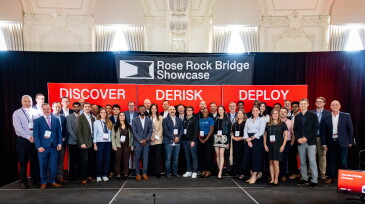
Tulsa Innovation Labs' Rose Rock Bridge program awarded $400,000 to four energy technology startups, bringing AI-driven innovation, industry partnerships, and the potential for more than 135 new Oklahoma jobs to Tulsa.
-
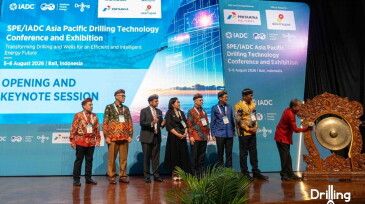
More than 900 drilling and well professionals from 30+ countries gathered at APDT 2026 in Bali to explore how AI, automation, and advanced well technologies are driving safer, smarter, and more efficient drilling across Asia Pacific.
-
As several commercial-scale projects are gearing up in the US, developers expect the next few years to reveal whether lithium extraction from brines can become a big business.
-
Two new US Department of Energy funding programs focus on improving shale recovery, mitigating produced-water risks, managing sour gas, and enhancing facility efficiency.
-
This article from the SPE Artificial Lift Technical Section highlights a positive reality of our industry, one that centers on connecting and collaborating for success.




Page 1 of 11